While native flowers hold the greatest interest and value to our native pollinators, gardens don’t need to take an all or nothing approach. A garden needs to bring you as much joy as it does them, and there are so many beautiful plants you can incorporate into your gardens that originally came from other parts of the world. While we believe including native species in any pollinator-friendly gardens is important, our own gardens incorporate flowers and plants we love and simply can’t imagine our gardens without, even with those plants “come from away”.
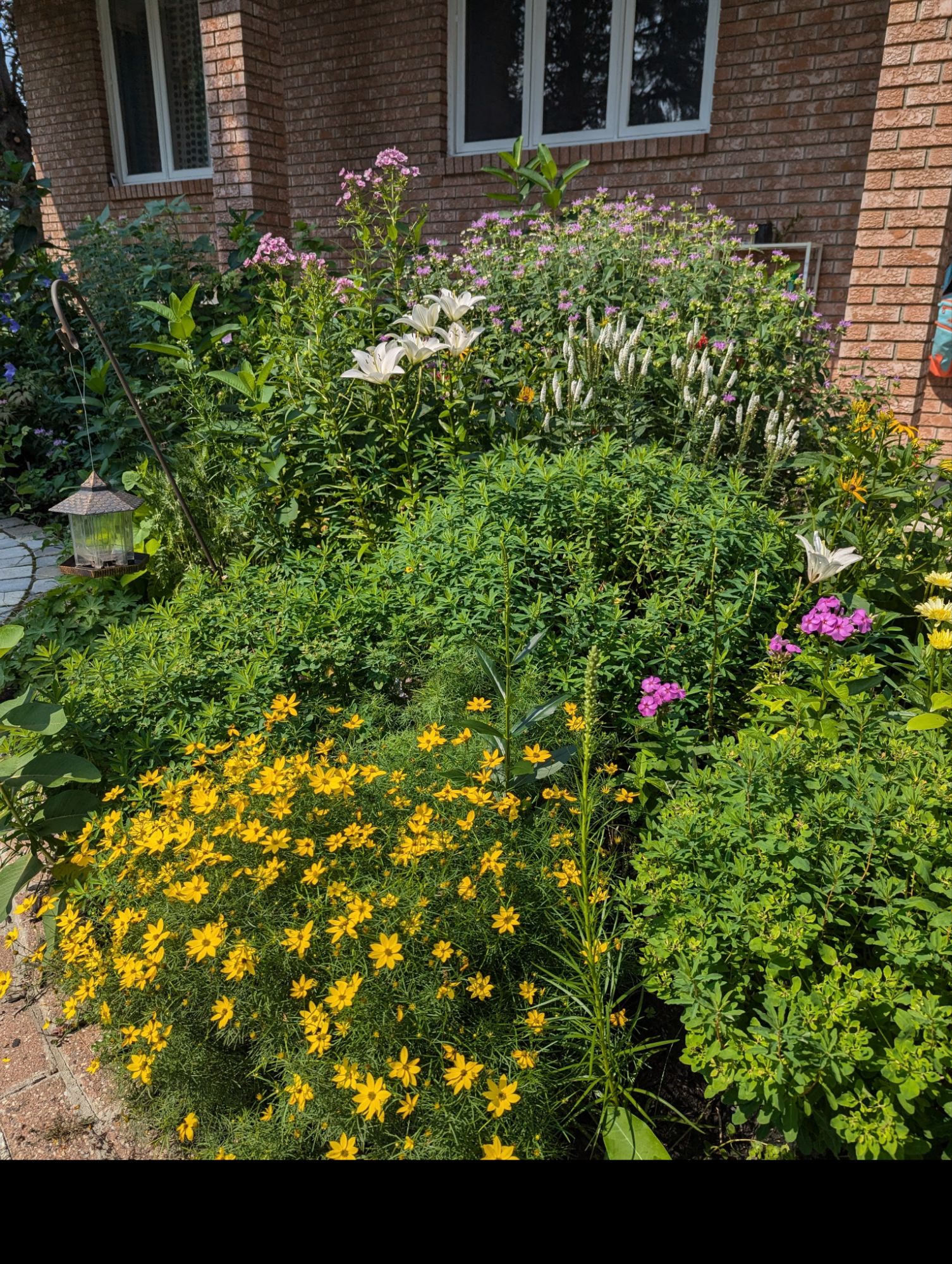
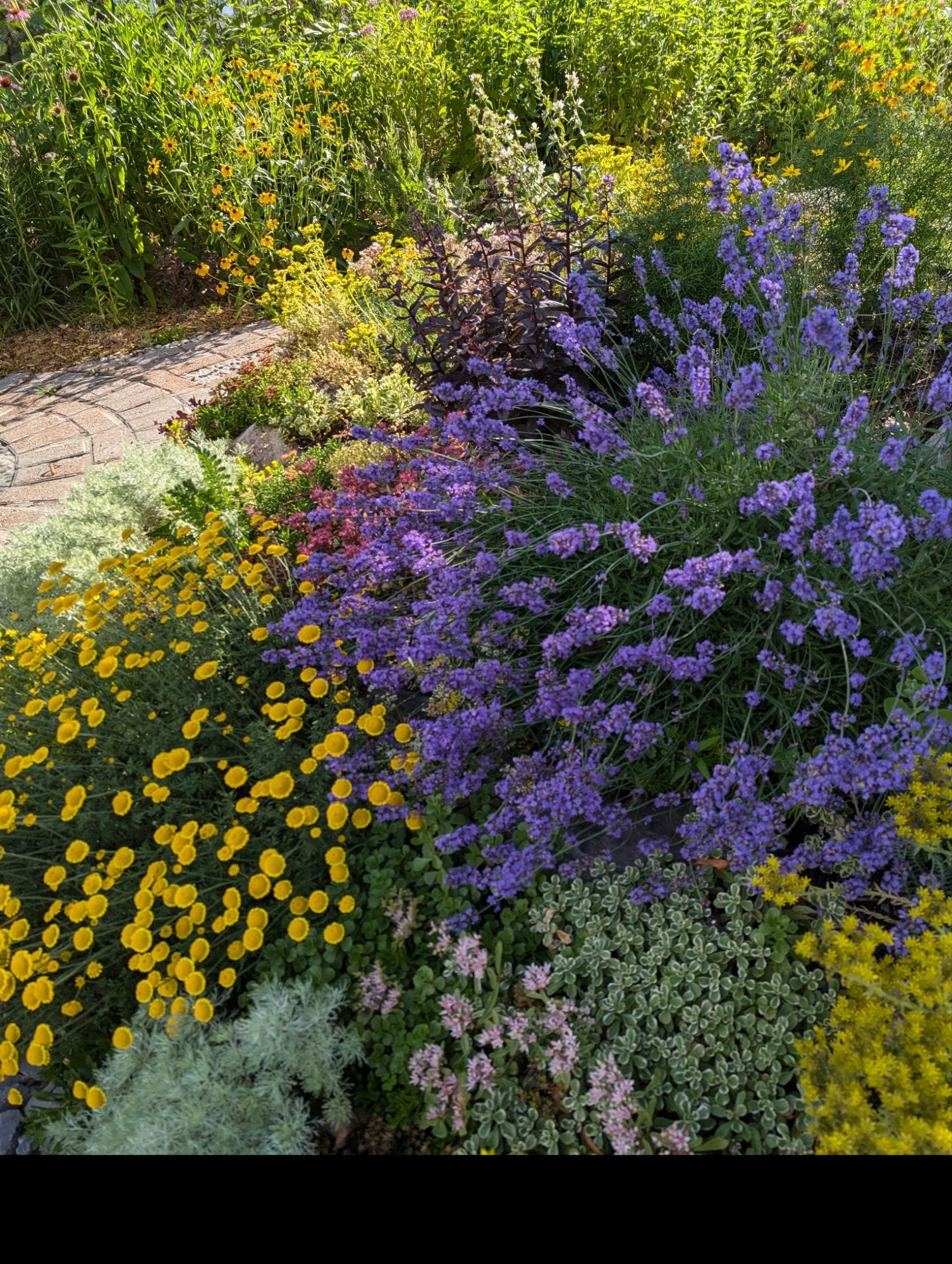
We think of these as “junk-food” for our pollinators, but is there really so much harm in a handful of Smarties or a soft serve ice-cream cone as a part of a healthy, well balanced diet?

With climate change proving more and more undeniable each year, our environmental conditions are changing so that plants previously native to our more southern neighbours are becoming more and more suited to our changing conditions.
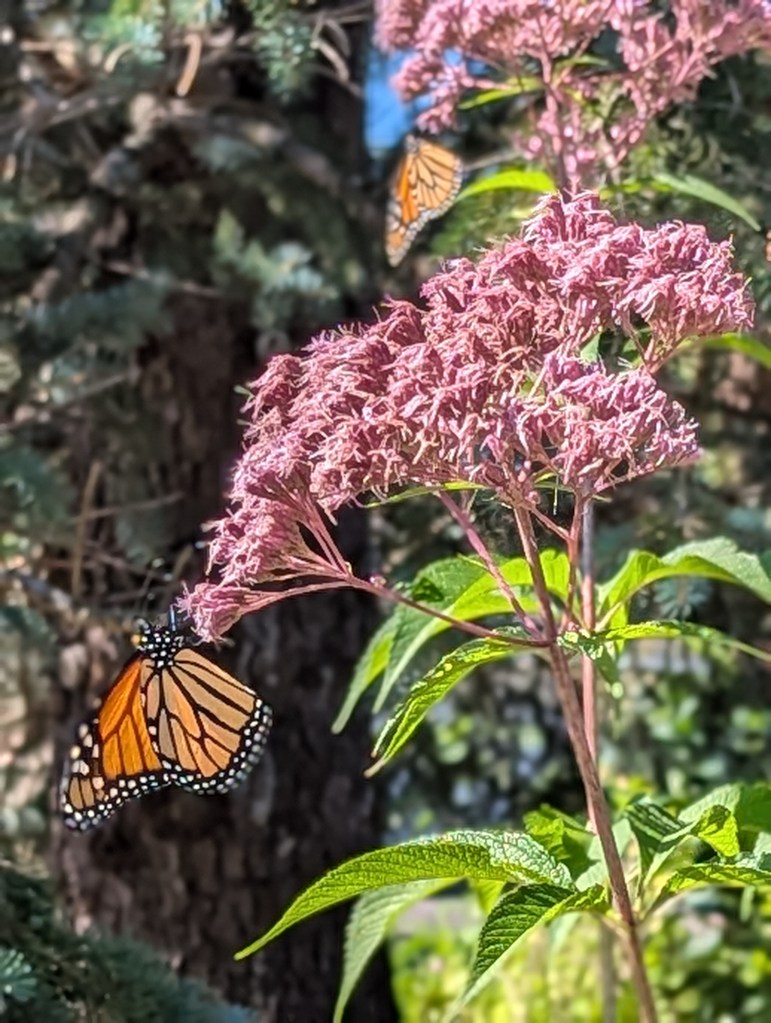

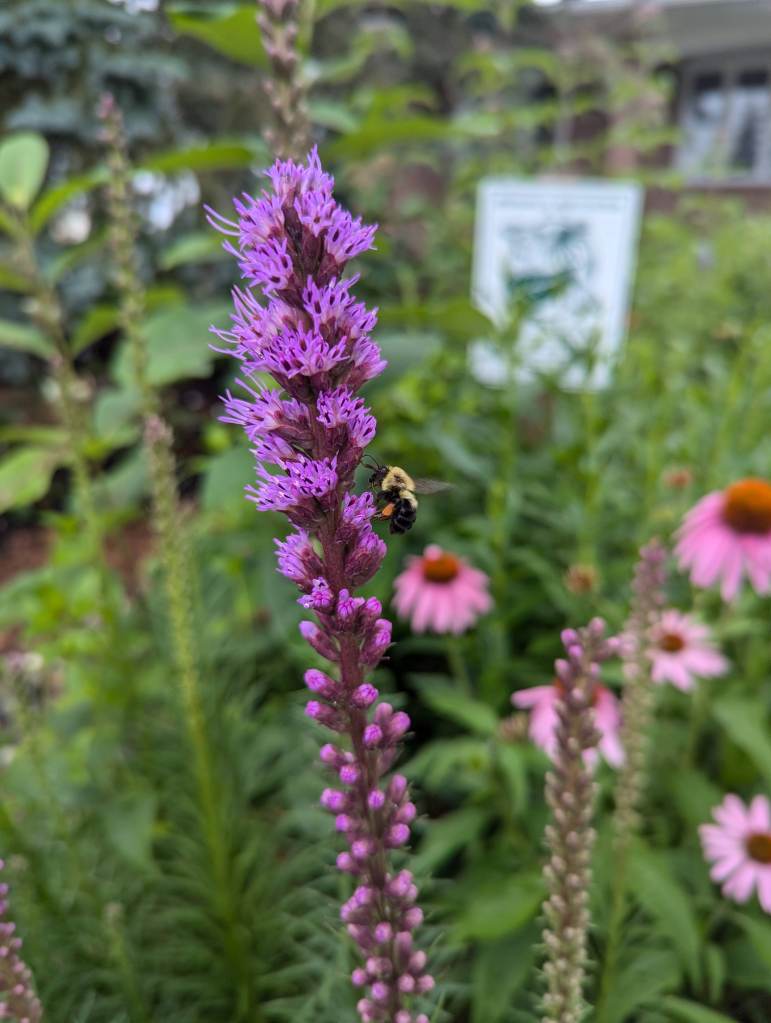
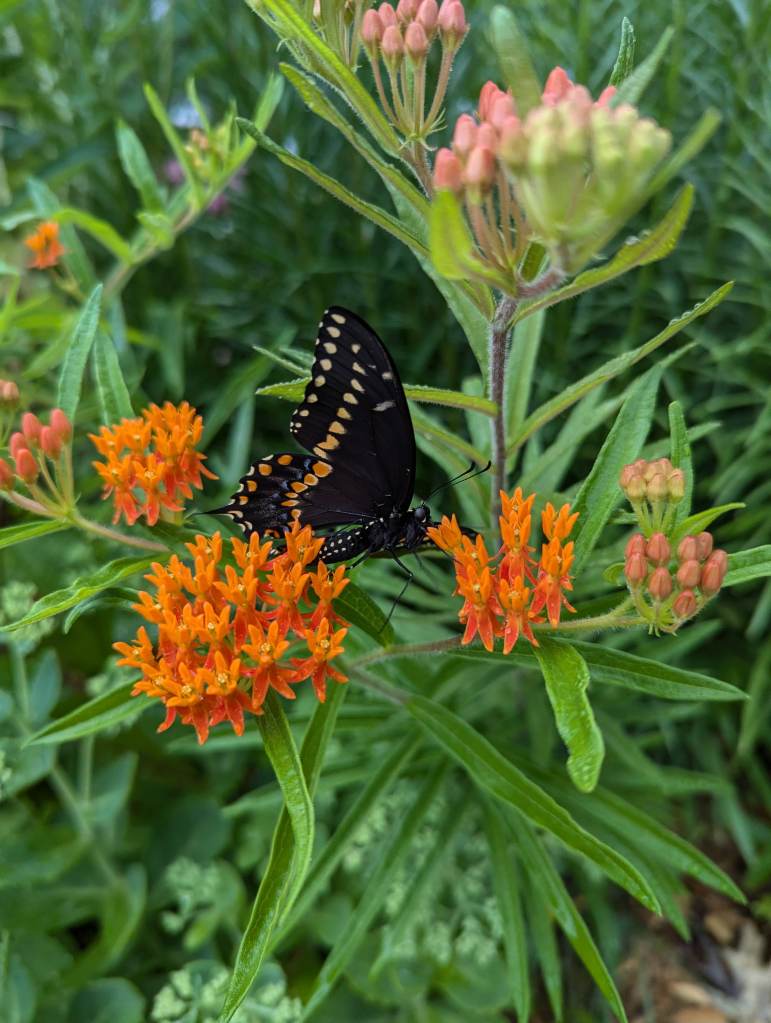
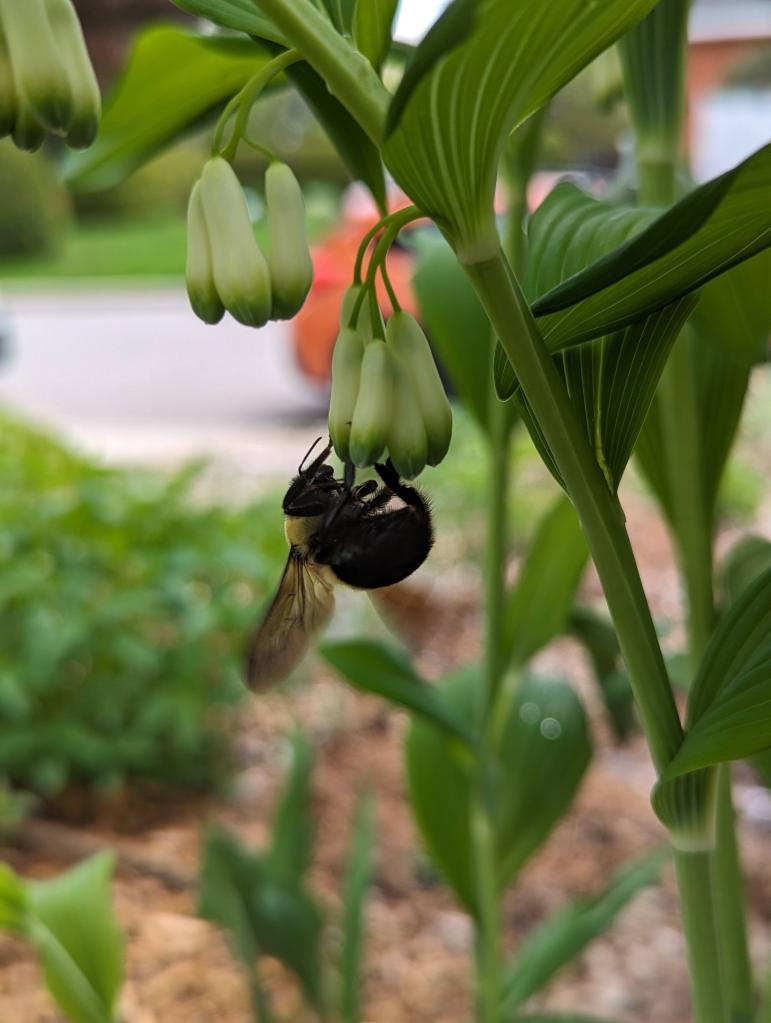
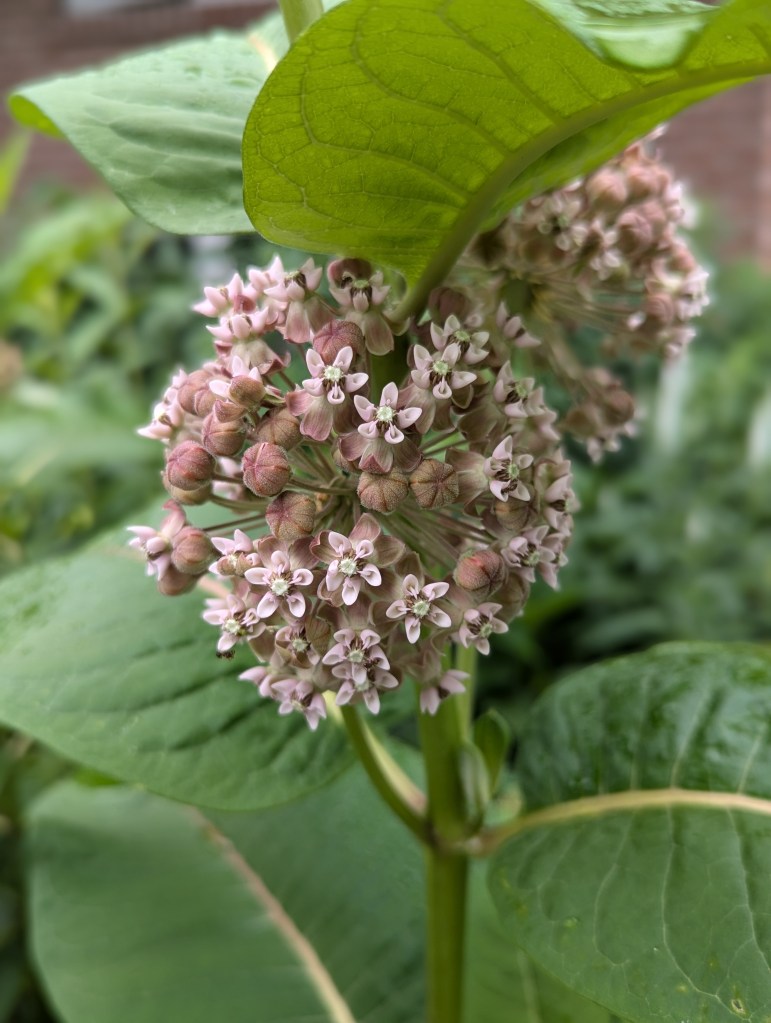
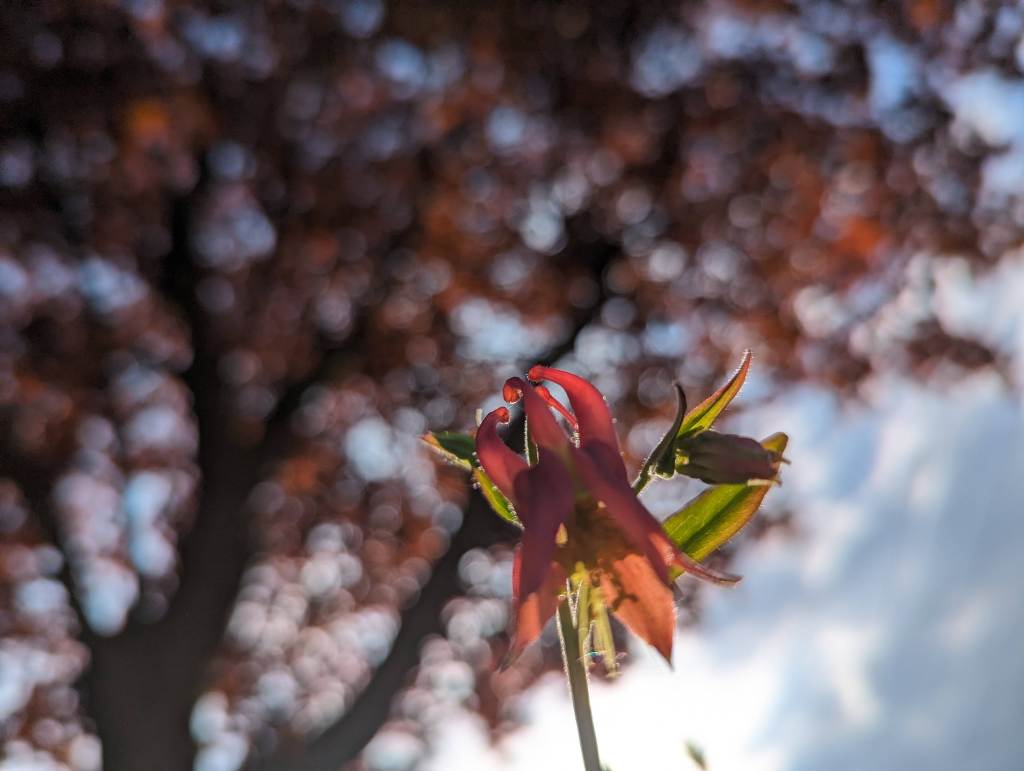
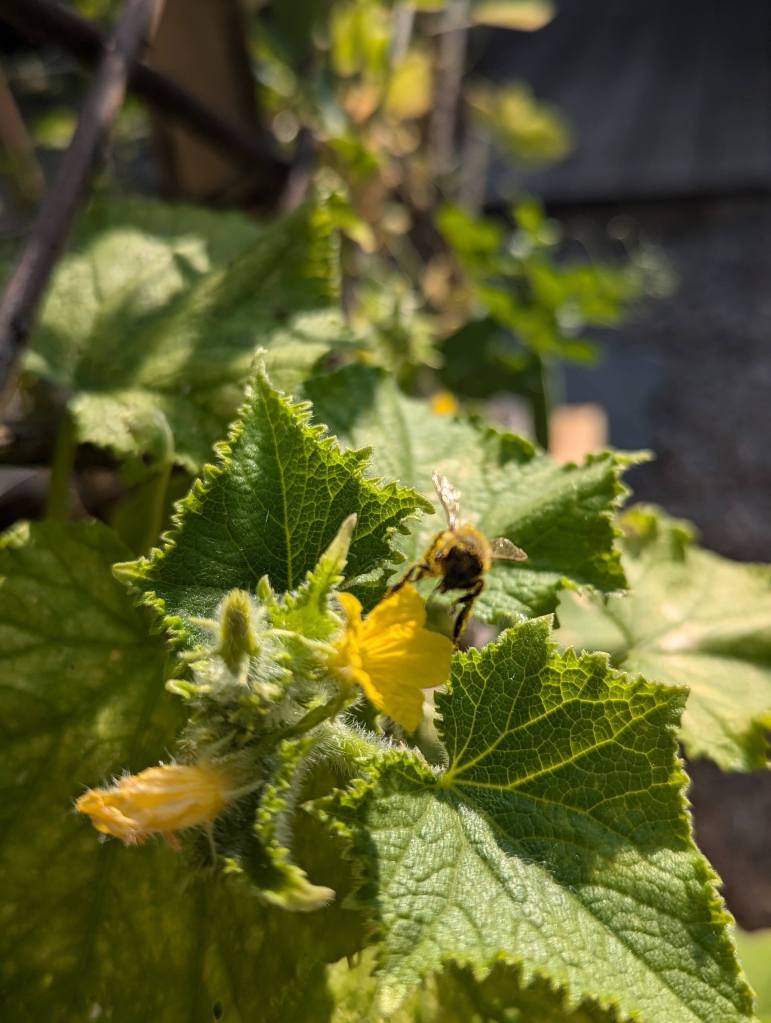
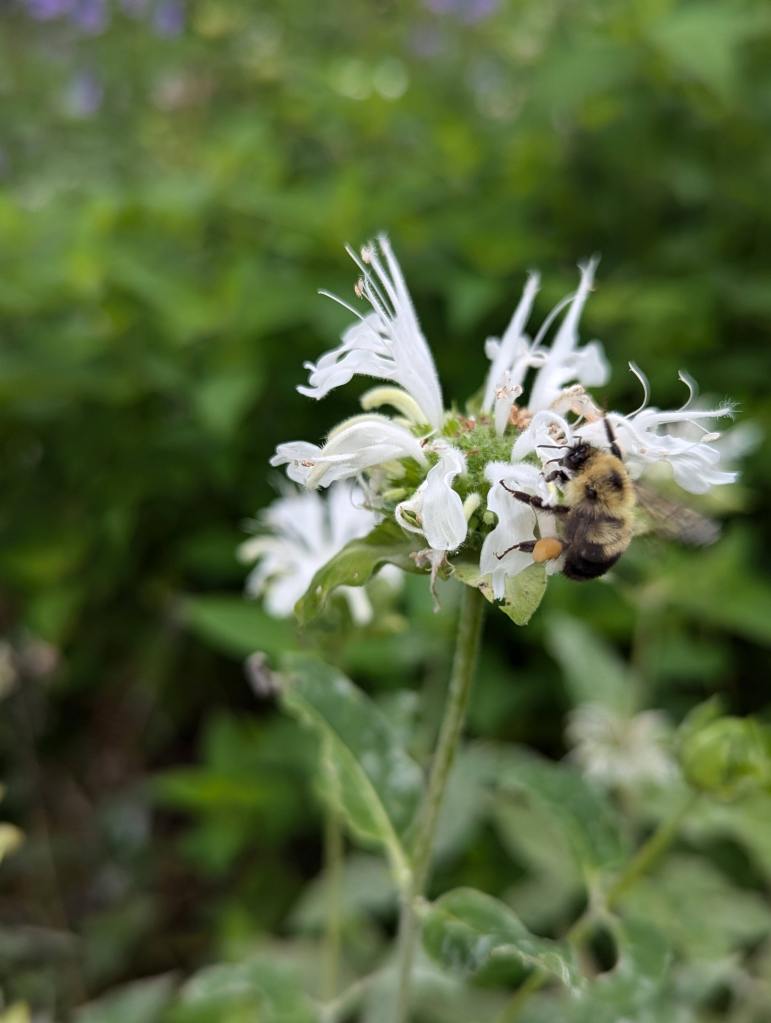
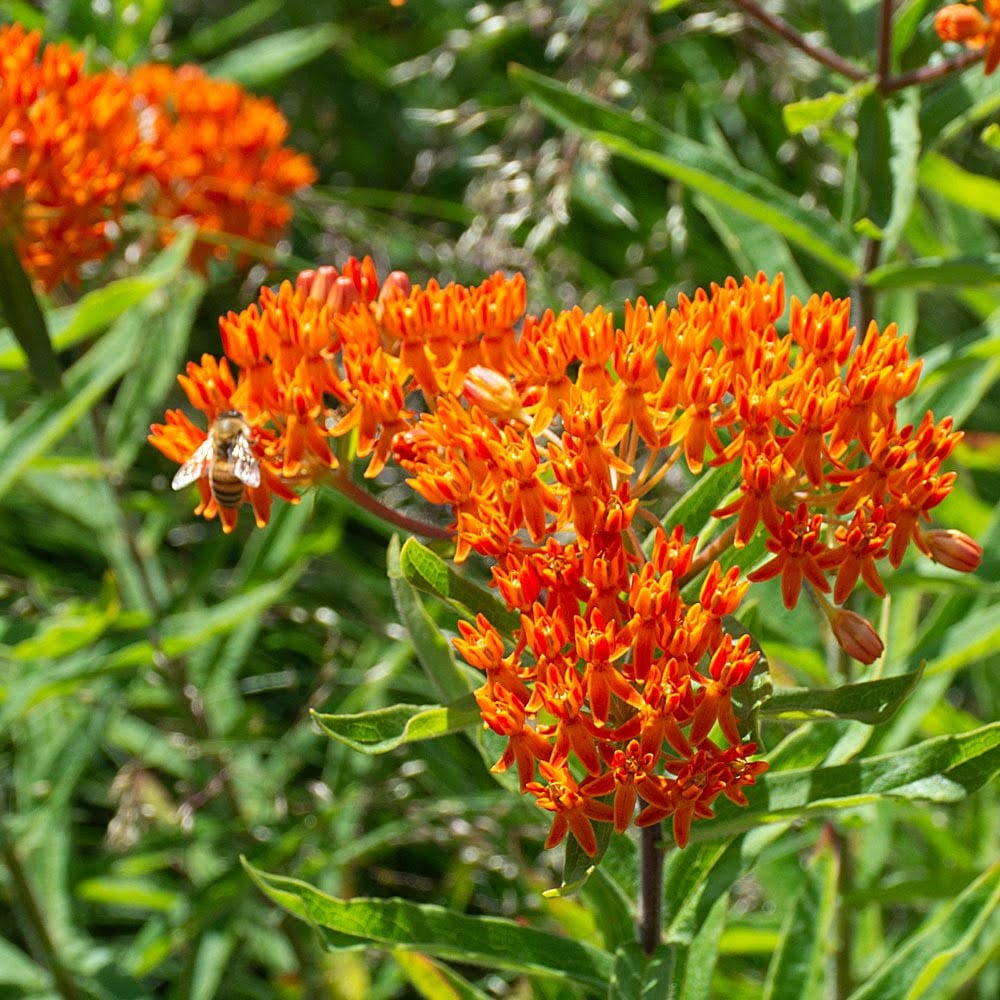
Our approach to garden design is native-first,but we love incorporating additional non-native pollinators loved and preferred by our clients, with one caveat. We do not, and will not, under any circumstances, condone, source or design gardens with invasive species. We can help you identify and work to eradicate such species from your land, wherever possible, but that is the extent of our involvement with such species. Someday I will write a post about these plants, but I have way too many other pleasant plant related topics swirling in my head before that happens.

Discover more from LocaLeaf
Subscribe to get the latest posts sent to your email.

 LocaLeaf