Would it surprise you, dear reader, to know that January is one of the busiest months of my gardening calendar?

This year, the view from our new place makes it hard to concentrate on anything indoors, but a ritual is a ritual. My new year begins with a communal bathtub party and cleanse for each of my potted indoor plants.

In previous years this was a daunting and overwhelming task, as I had reached level 8.5 on the indoor version of the crazy plant lady scale. This summer we listed our house and our agent didn’t mince words. Living in an indoor jungle / tropical rainforest is not on every buyer’s bucket list, and I had to part with at least 75% of my plants if we wanted to sell our home.
We did sell, moved into our dream home, and this year’s bathroom plant party has been more successful that in previous years for a few reasons.
- I have 75% less plants
- I gave away my indoor trees and giant plants and only kept small cuttings
- We now have a ginormous bathtub that can fit all of my plants at once
- I know once I’m done I get to focus on staring outside and planning for spring, a brand new garden, a greenhouse and our little nursery
My history with plant baths
This plant bathing tradition started for me many years ago, as a way to keep my hands in dirt in the winter, after also observing that my indoor plants tend to go dormant during our shortened days. I’m sure there is science to back up my observation-based claims, but it seemed to me that repotting and trimming or pruning the plants while they were largely sleeping was somehow less intrusive to them, they bounced back quicker, and it prepared them for an spring growth spurt.
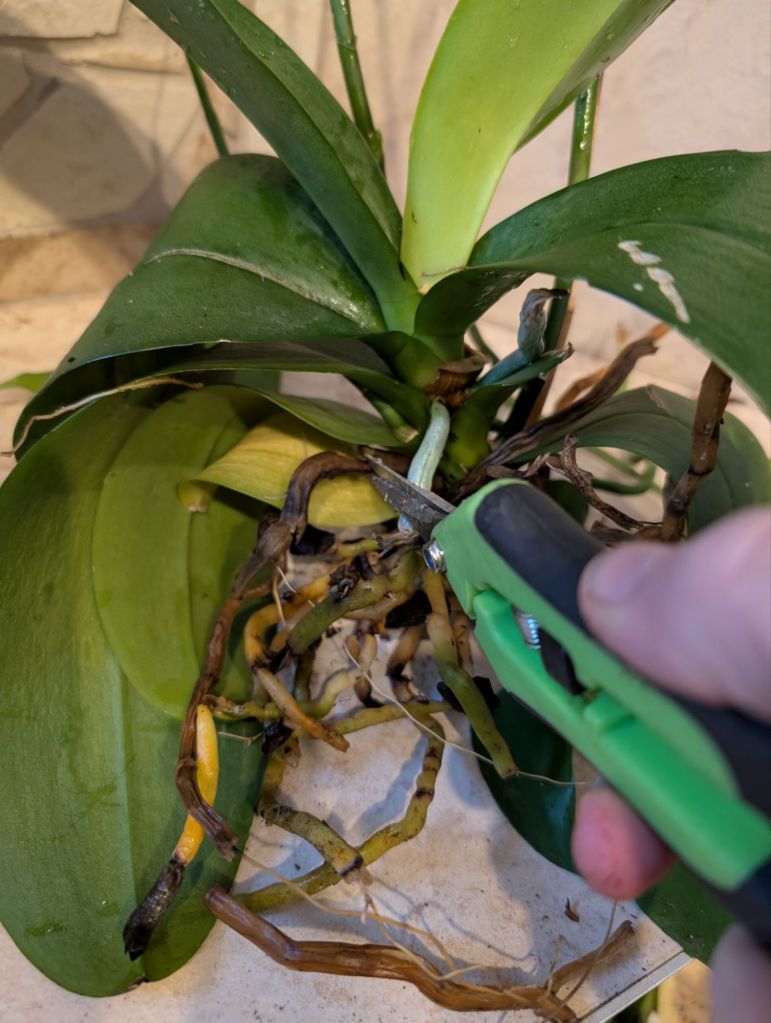
Uprooting and cleaning off the roots of each plant might seem excessive to sane non- plant people, but it’s also an opportunity to connect with each plant, check it’s health, trim its tips and roots if needed, divide plants and rid them of any potential unwanted outdoor critters which may have found their way into their soil or foliage over the summer.
Pretty honestly around this time each year I discover I have fallen out of love with many of my indoor plants, or I just have too many, or the ones I still have grew too much and I chop them into pieces to learn new ways to make them grow back again. This is when I find myself either gifting cuttings and plants, or actively trading them in my local community plant swapping group, Aylmer Gardeners and Plant Swappers on Facebook (you may have to be an Aylmerite for access).
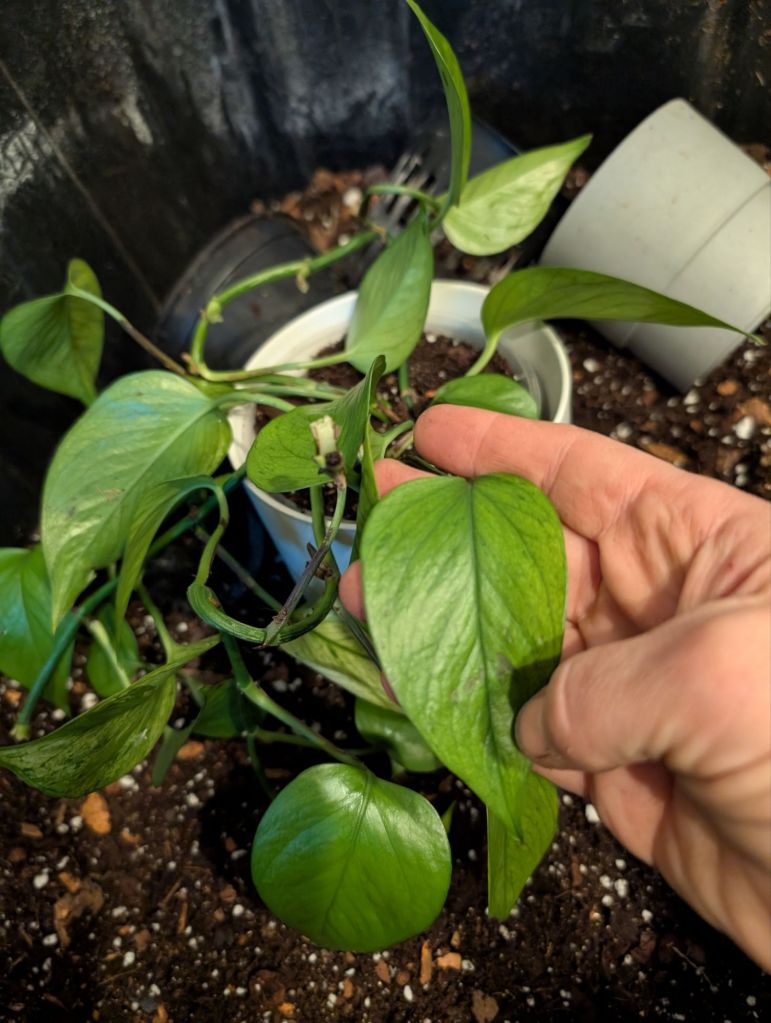
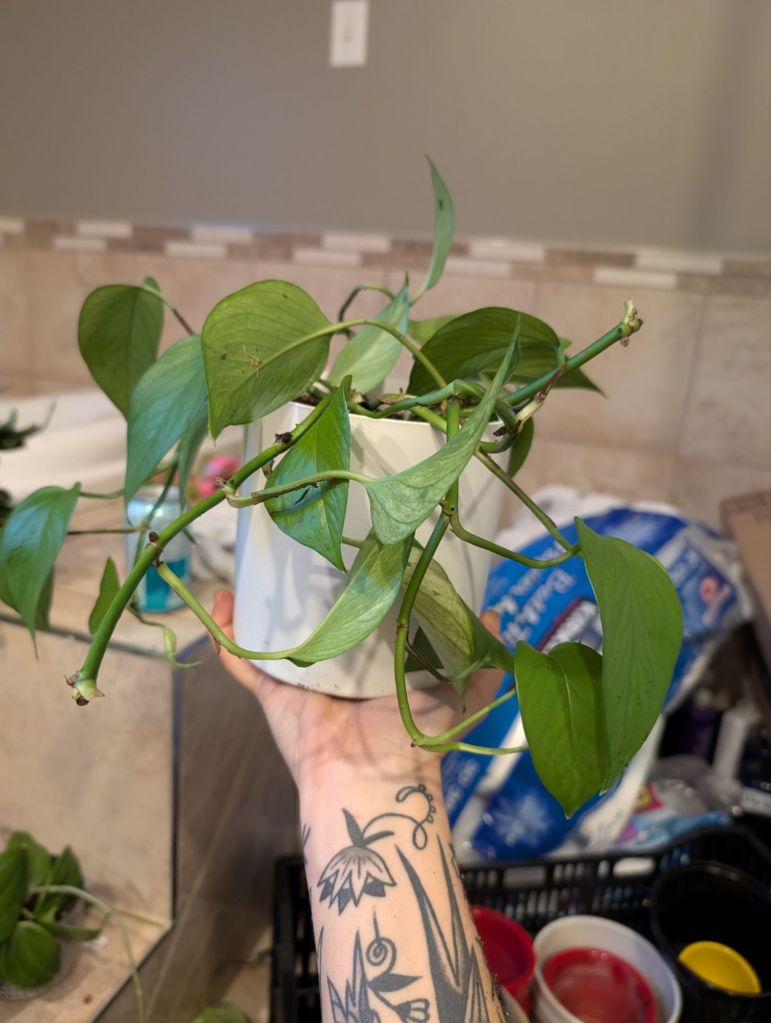
Throughout my years of growing indoor plants I’ve experimented with a lot of growing mediums and soil additives, and read and adopted or ditched a lot of other master gardener perspectives on potting mix ingredients, benefits, drawbacks and unknowns of various mediums. I’m quite confident making my own potting mixes now, and I can’t stress the importance of soil quality enough in any conversation I have with clients. That applies to indoor plants too.
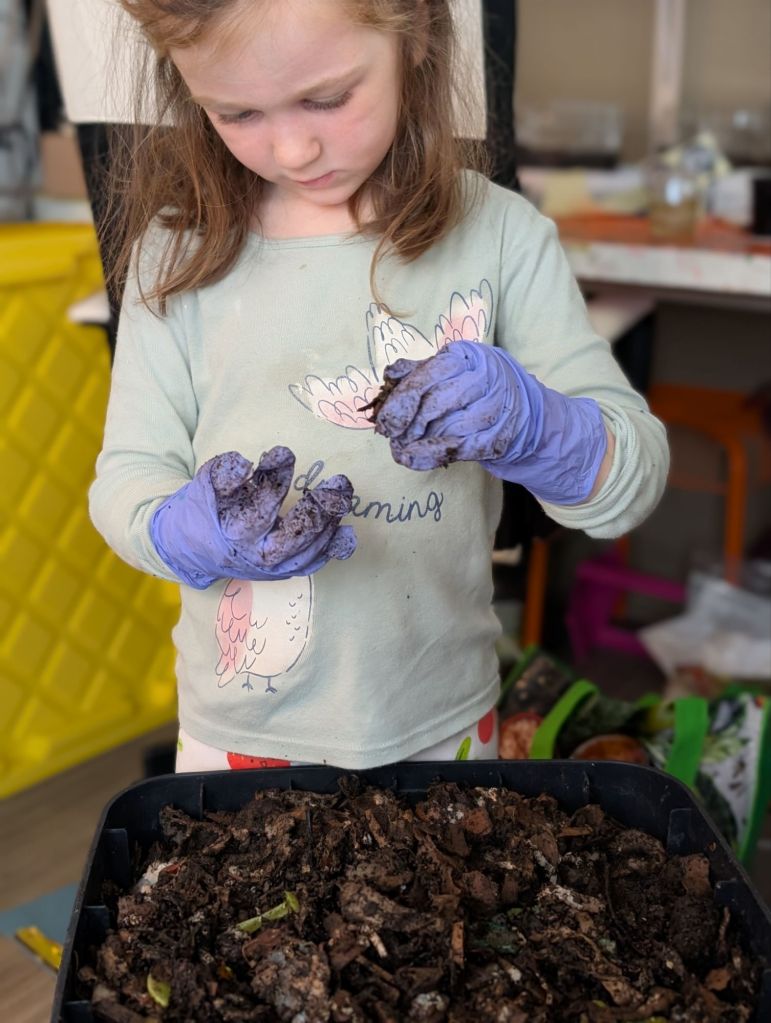
This year we started a worm compost and have been feeding our worm friends our kitchen scraps for the past few months, so the worm castings we added were our own. In other years I always kept a bag handy, but making our own this year felt exciting (to 2/5 of us).


Here is my recipe for this year’s indoor plant potting mix. I have never been hugely concerned with quantities, I tend to use what I have and eyeball measurements by feel.
I should also mention that most of my indoor plant are tropical, and prefer a chunky mix, so this recipe largely works for all the plants in the bathtub party. It wouldn’t be ideal for cacti, succulents or plants like ferns or ivy.
“Super Secret” Localeaf Indoor Chunky Potting Mix recipe 2025
- General purpose potting mix ( I use Promix as my starting point) – this ended up making up about 1/3 of my final mix, and I only know this because that’s about how much I filled the now full bin to start
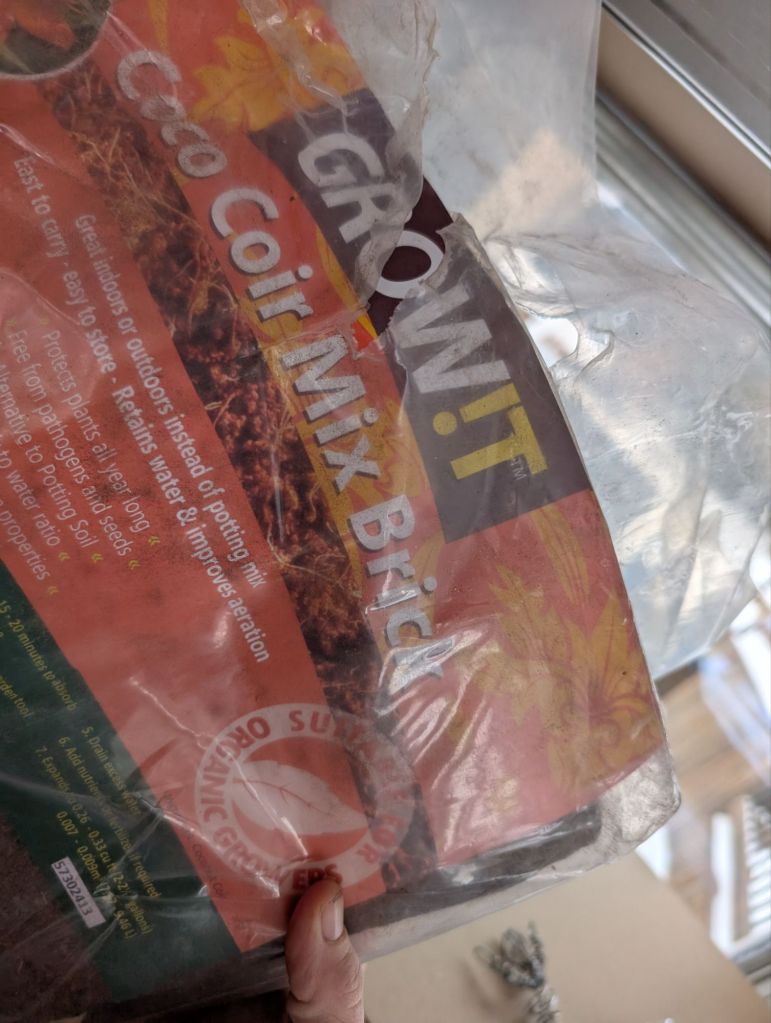
- Coco coir – I buy bricks of this and add it to pretty much most of my soil mixes. It’s light, airy, prevents soil from compacting and retains moisture nicely. I used two bricks in this bin, which ended up almost filling a large 5 gallon bucket once soaked in water. This is the only ingredient I add water to prior to mixing, as I find it carries the perfect amount of moisture once mixed with all my other dry ingredients
- Our worm poop (worm compost castings)
- Coarse orchid mix – I usually prefer orchid bark because the chunks are larger, but this is what I had in the house, so I added 2 small bags of that
- Perlite
- Some horticultural charcoal (I’ve also used a couple of handfuls of fireplace ashes when I have those)
- LECA balls
- Vermiculite
- A few handfuls of sand
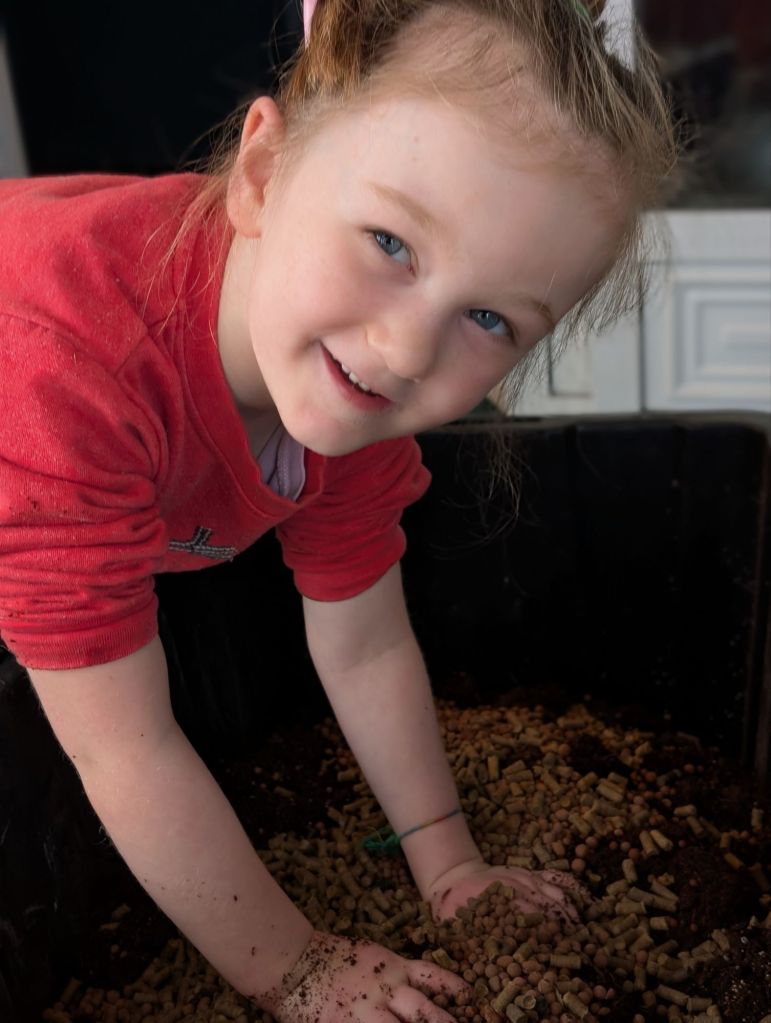
- These really cool wool pellets I got from Leystone farm (up the road from us in Luskville), which I had never heard of before, but I am really enjoying the texture and moisture retention of so far

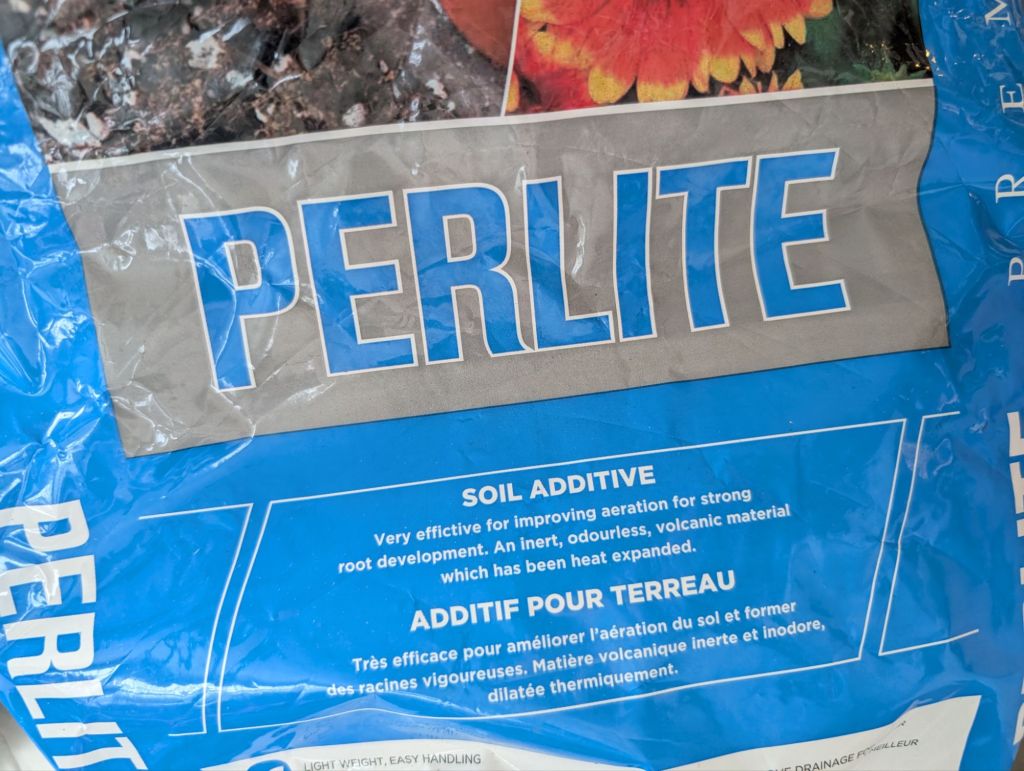
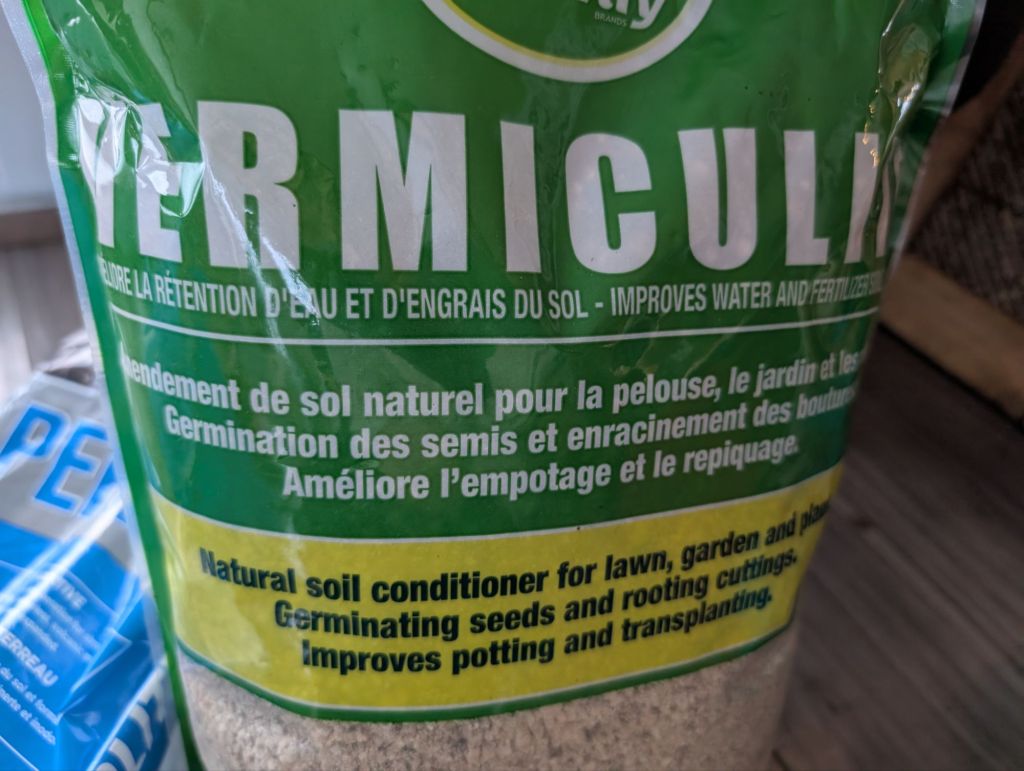
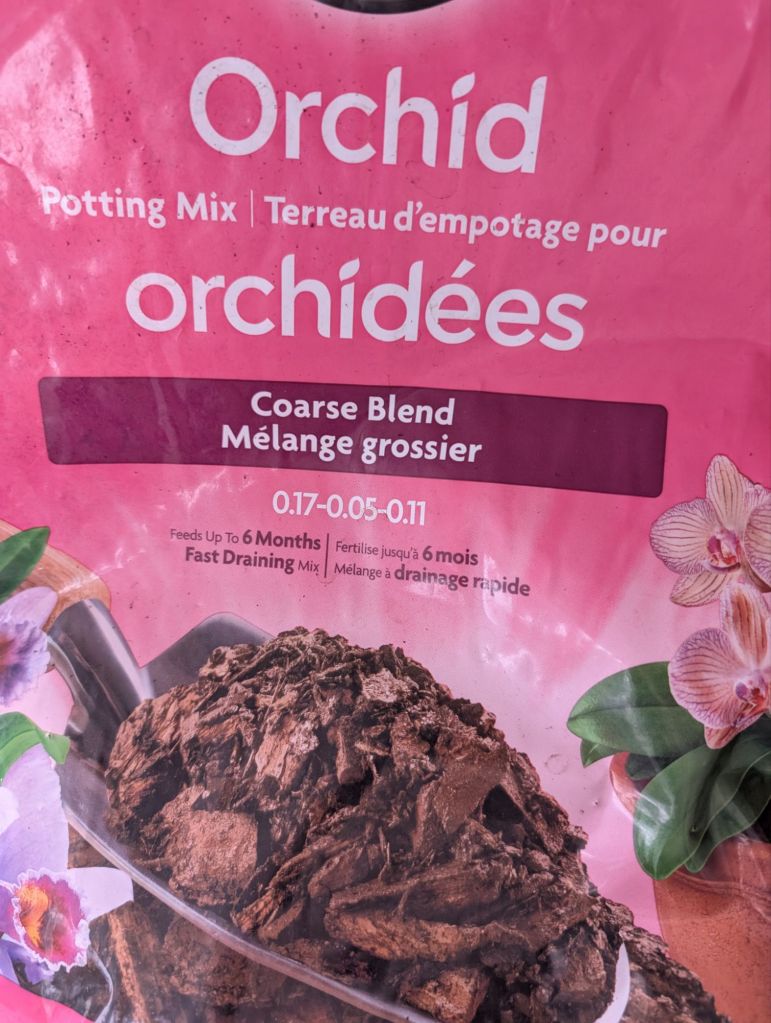

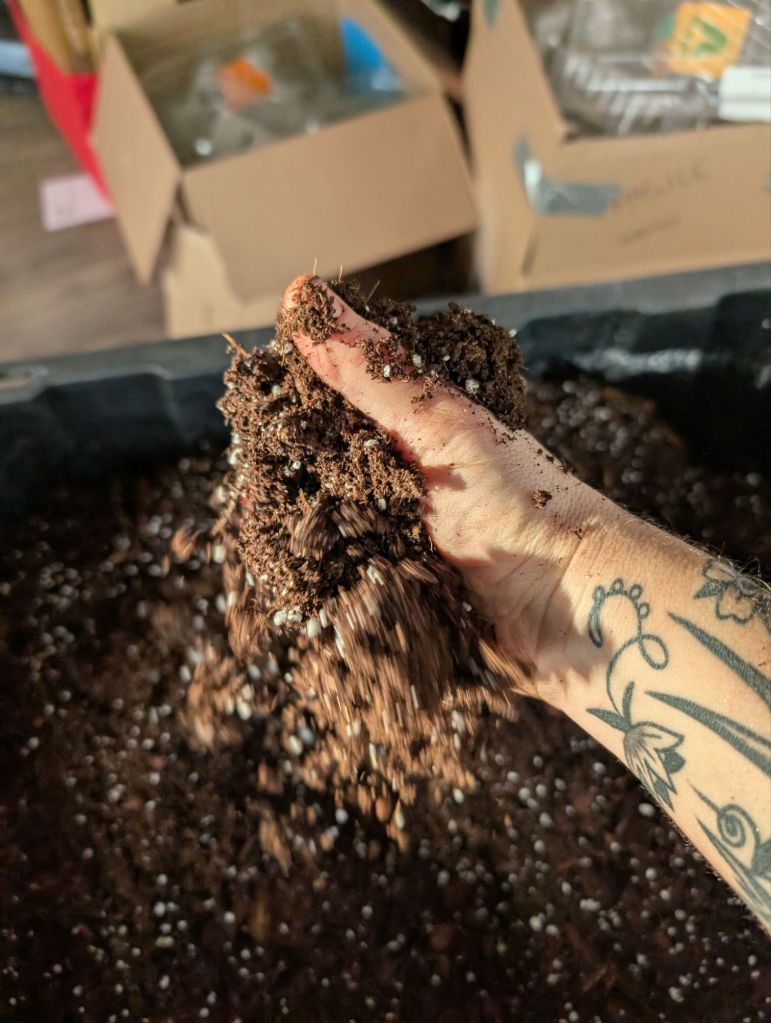
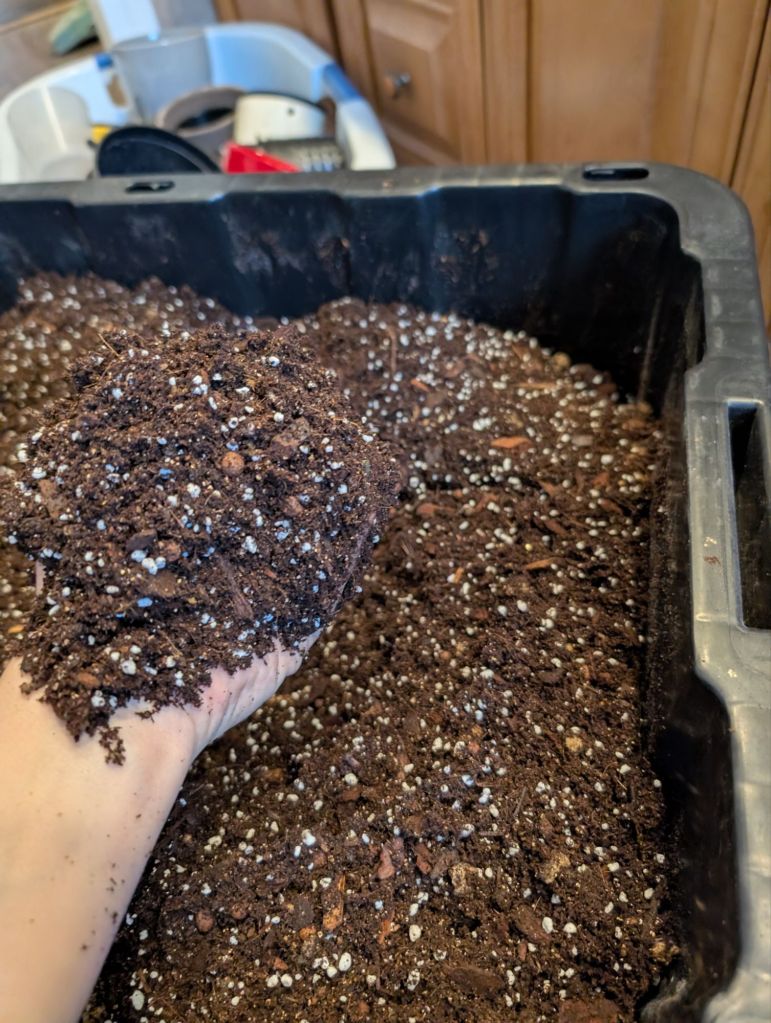
Like I said, no measurements, just a thorough mixing of all the ingredients in a giant bin, with the pre-soaked coco coir bricks providing a perfect amount of moisture. I know my mix is ready when I pick up and squeeze a handful and it feels damp to the touch, but crumbles out of my hand and doesn’t stick together in a clump.

Plant spa treatment
With the soil ready, it’s time to run the bath. Each year when I do this, I mix a bit of dawn dish soap with neem oil ( it helps to do this before mixing it into the water so the neem oil binds to the dishsoap), then mix this into the bathtub water. I use a mix of these ingredients because I have found the combination gentle enough for my plants, and also quite efficient at killing any unwanted houseplant pests that may be lingering on my plants.
I then unpot each plant in turn, rinse off its roots in a separate bucket and place it in the tub. I do this for each of my plants, and aim to leave them in the tub for a minimum of 30 minutes, completely submerged. I return the discarded potting mix to my large garden compost, and it eventually finds its way back into my garden beds.
Life got in the way this year and my plants ended up spending almost 12 hours in the bath, which is not ideal, but also not a huge issue, except for some plants with sensitive leaves which are now a bit scraggly looking, and needed a more significant trim than I would usually give them.
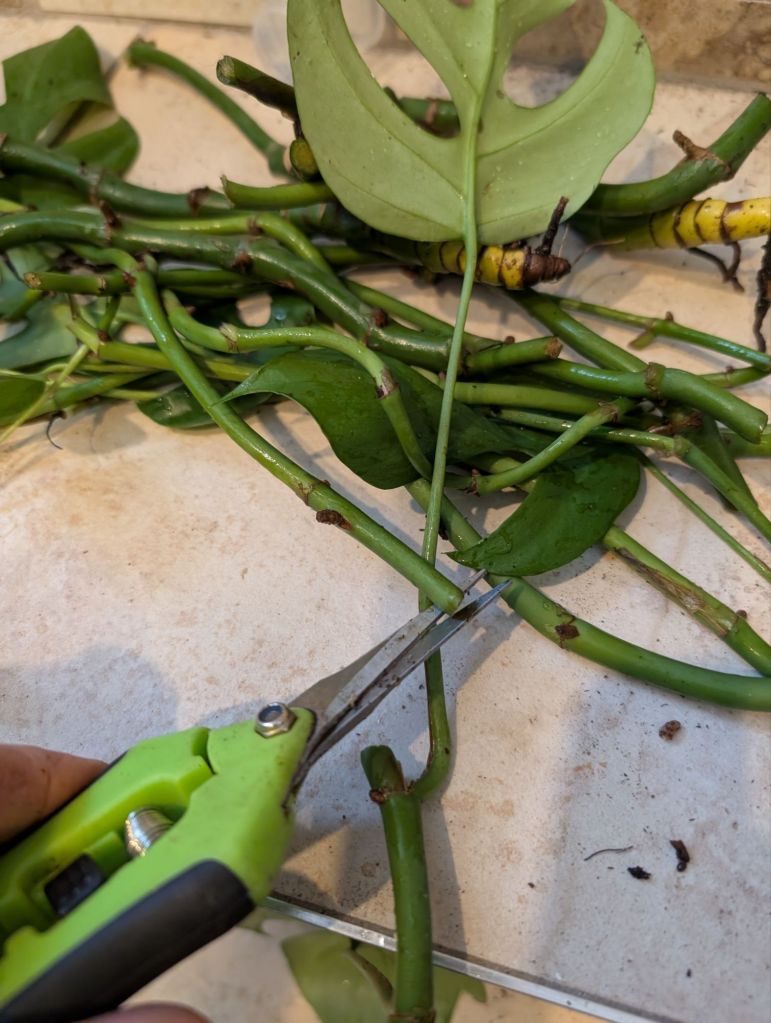
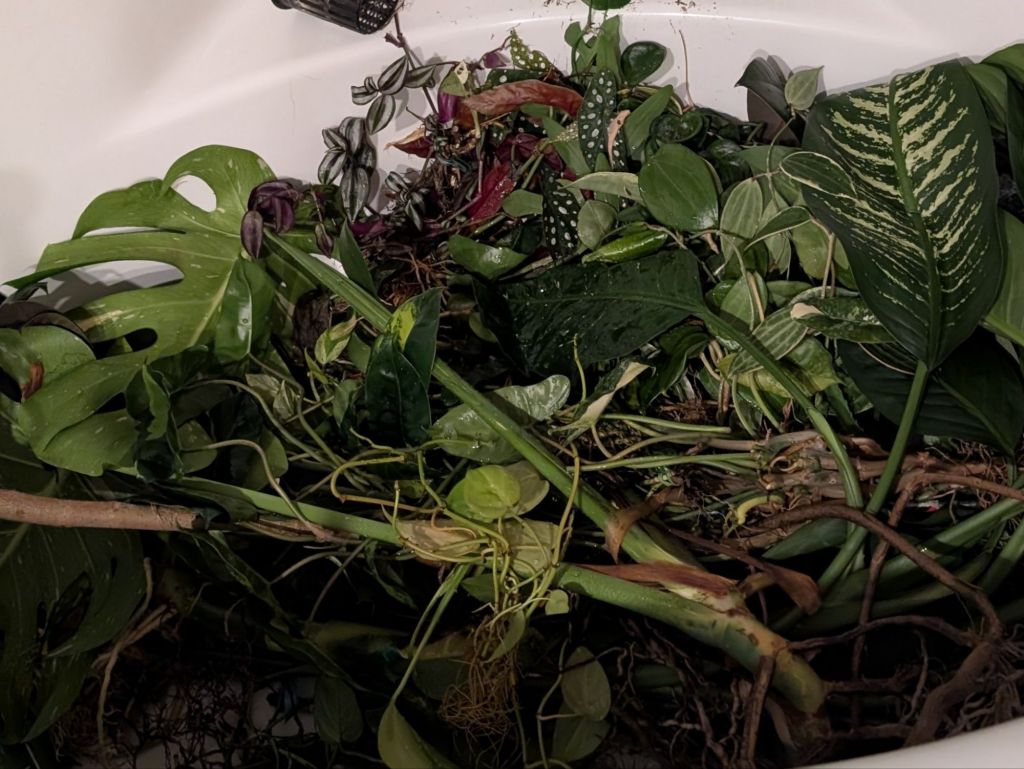
Once the plants have soaked in my mild concoction, I drain the water, rinse them thoroughly and let them sit for a few hours to dry off. Again life got in the way here this year and the plants spent 24 hours naked and huddled close together in our empty gymormous tub.
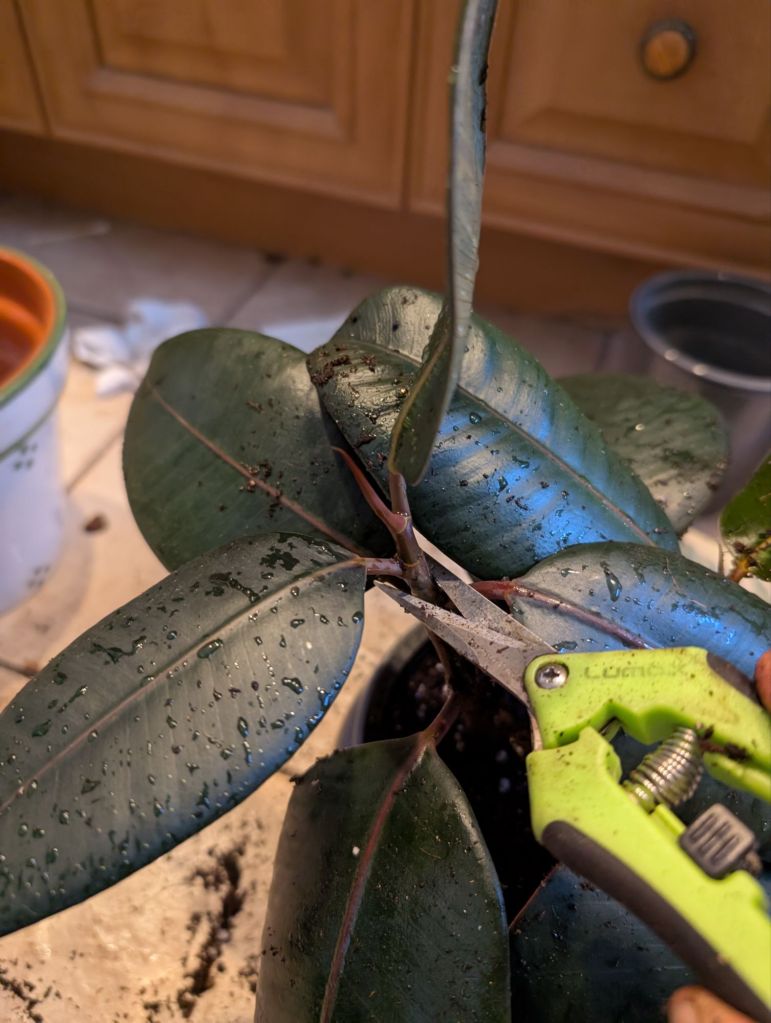
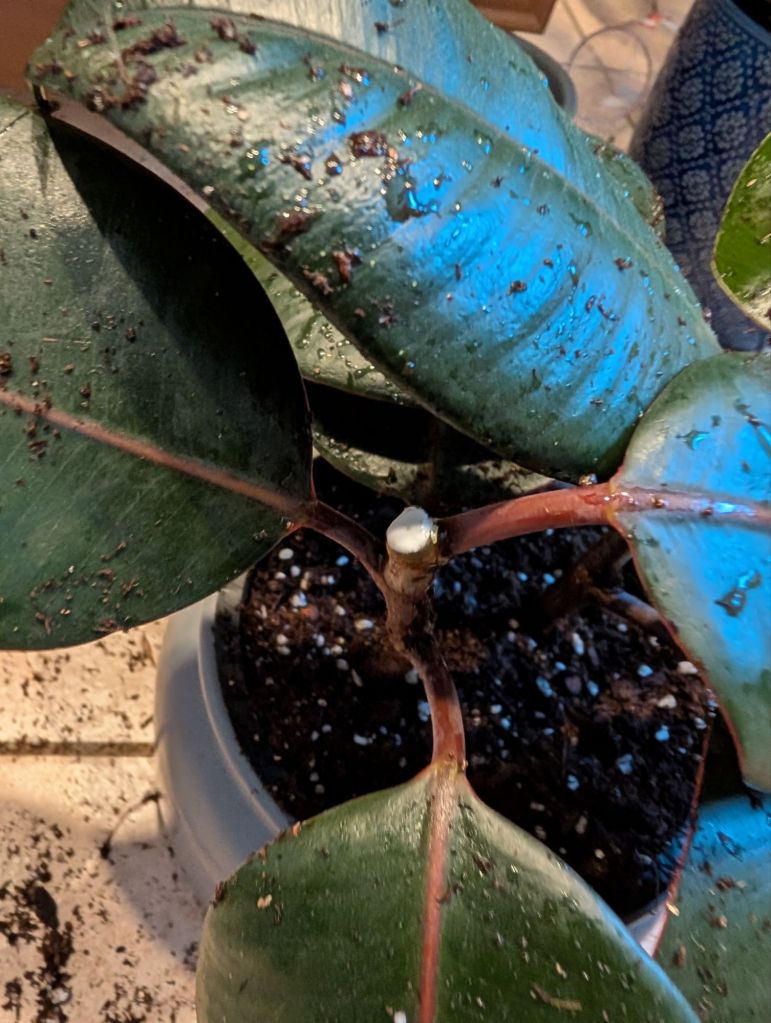
One by one I shower and repot each plant into a slightly larger pot, grooming each one along the way. This means some get a root trim, others have their tips snipped off to promote branching and reduce legginess, and others still I chop into tiny pieces and water propagate to grow roots and create new plants, or throw in soil, or moss, or an aquarium, or any other random place I can think of to see if I can get roots to grow in new ways.
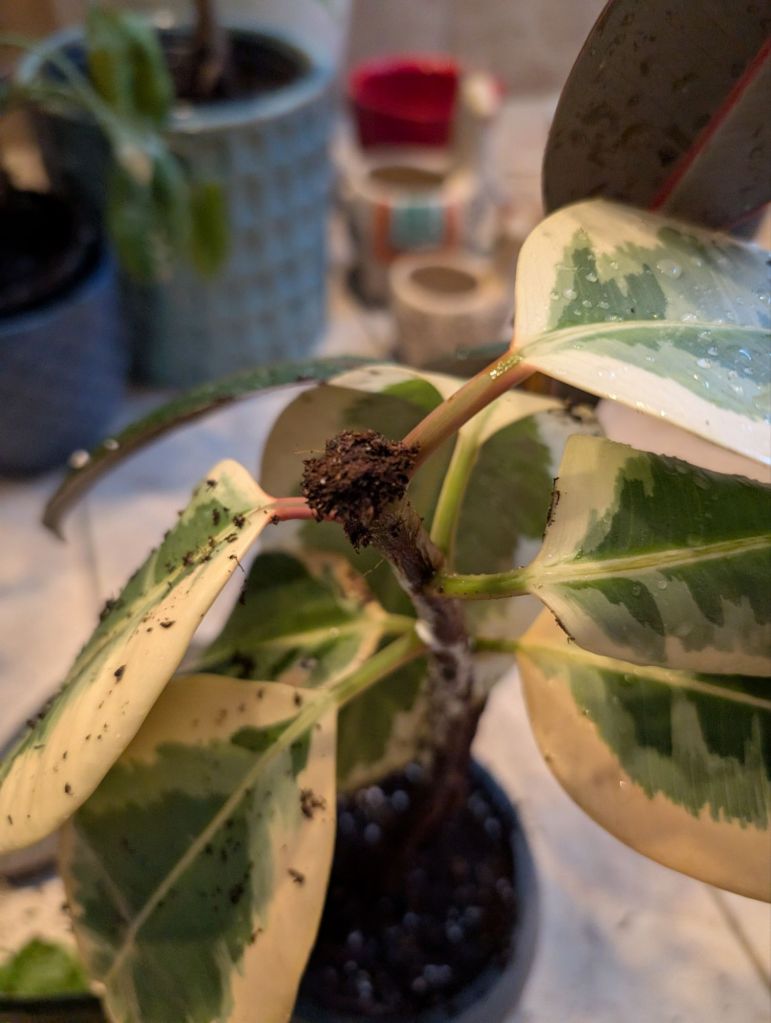
Although my passion for growing plants is currently channeled outdoors, I do still love and enjoy my indoor plants, but I prefer to minimize their maintenance and reduce my need to water them. I had built myself an enclosed plant terrarium two years ago, which originally housed small orchids. I think the official name for it is an “orchidarium” but that sounds really pompous.
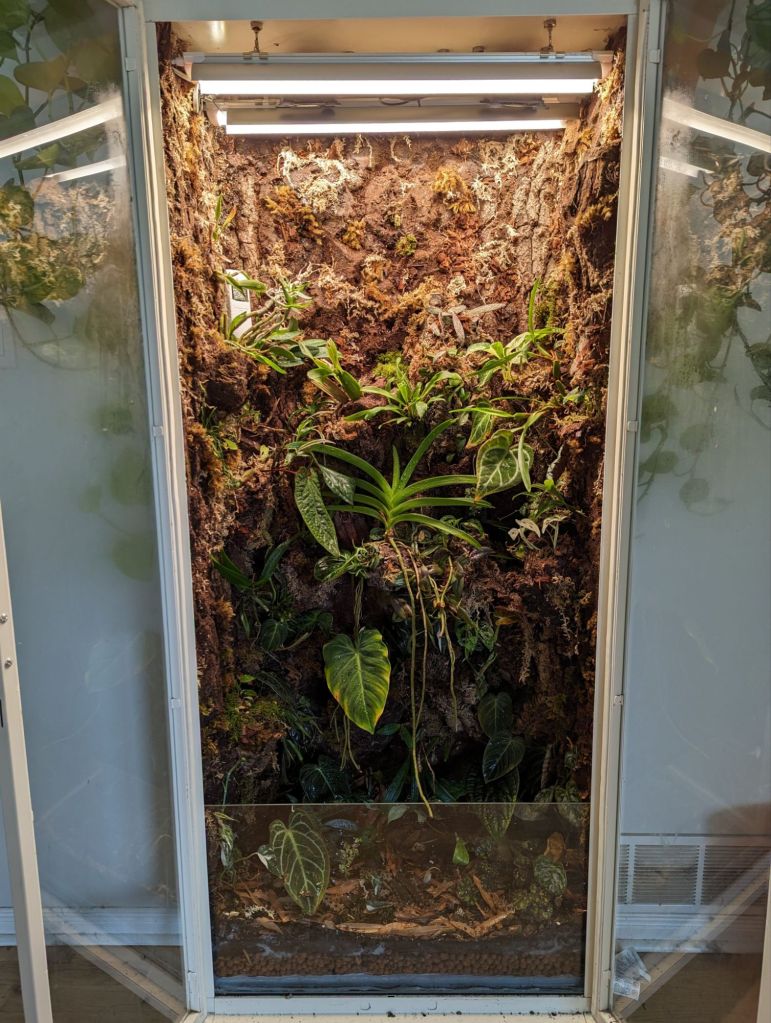
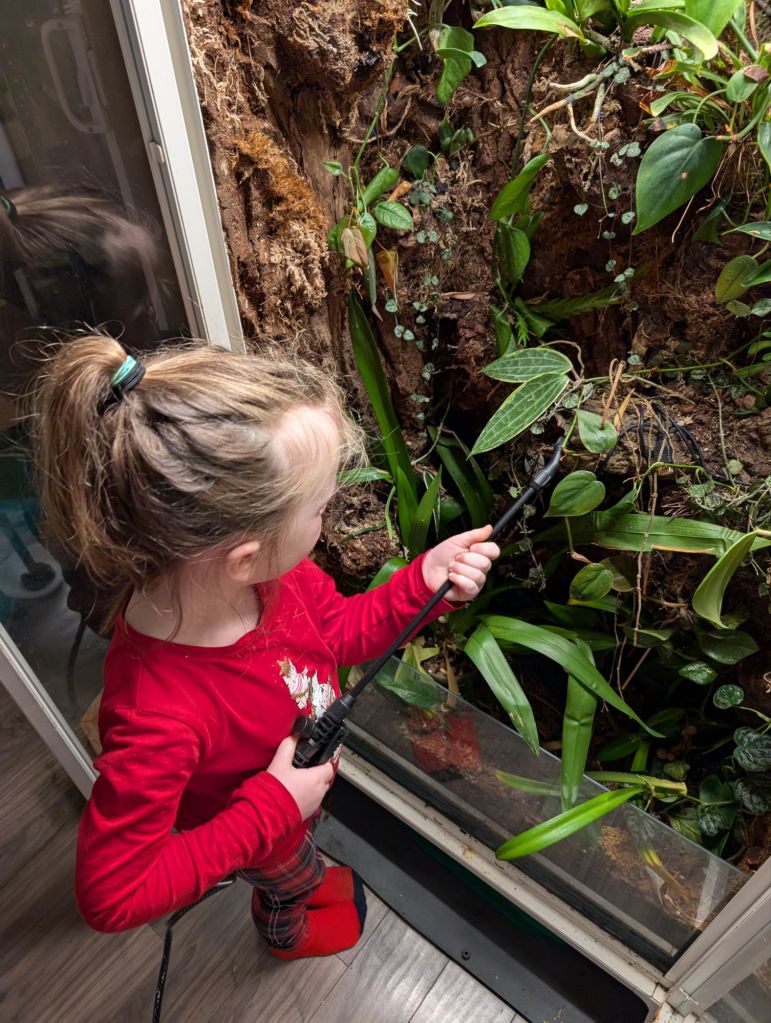
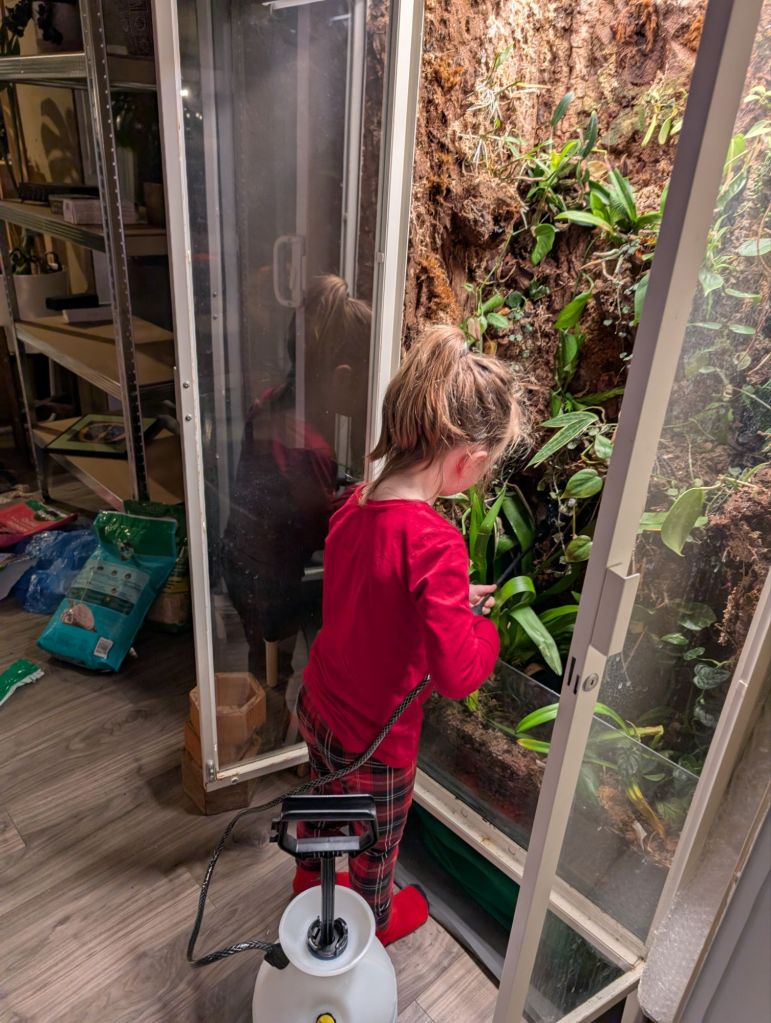
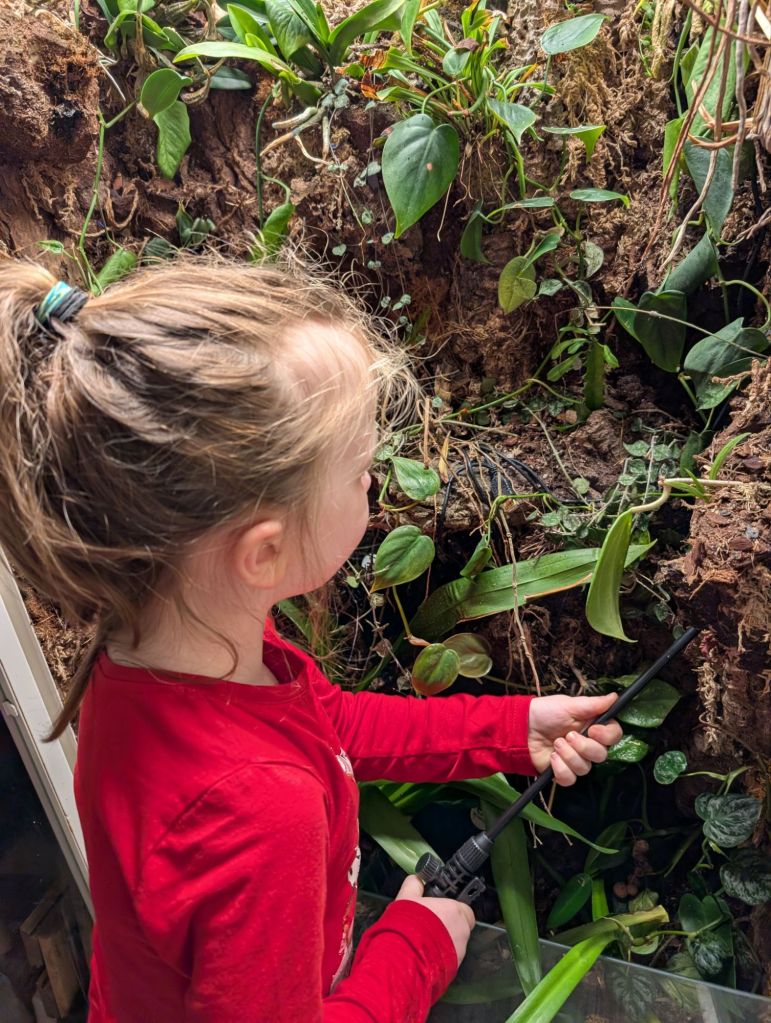
Our 4 year old calls it our rainforest so we just stick with that. Although there are still many orchids in the cabinet, we now throw many other cuttings and stems inside it, and they tend to grow roots and sprout into beautiful baby plants in there, especially since my 4 year old takes rainforest watering responsibilities very seriously. I don’t have the heart to tell her that the automated mister makes her job redundant, and every time she opens the doors to water we smell the rainforest.
I can’t believe you read to here!
That was a lengthier post than I imagined when I started to write about my bath tub party, and for anyone who actually read this post all the way to the end, I appreciate you, and would appreciate knowing if there’s anything you read that you disagree with, or would do differently. Drop me a comment below and let me know you read this far. If you actually got here, I’m so grateful, and I would love to show you that by gifting you a rooted cutting of one of my “fancy” plants, while the cuttings last.
I’ll leave that hidden here and end this post with my current view of some of my freshly potted up plants in our gigantic new solarium, mess and all, because this is a real view of our life at this point in time, and mess and boxes are just part of that.

Discover more from LocaLeaf
Subscribe to get the latest posts sent to your email.

 LocaLeaf