We LOVE tomatoes around here. My personal favorites are large beefsteak and slicing varieties, but the kids prefer cherry, grape and any other small type of small tomatoes so we have always grown a few different kinds.
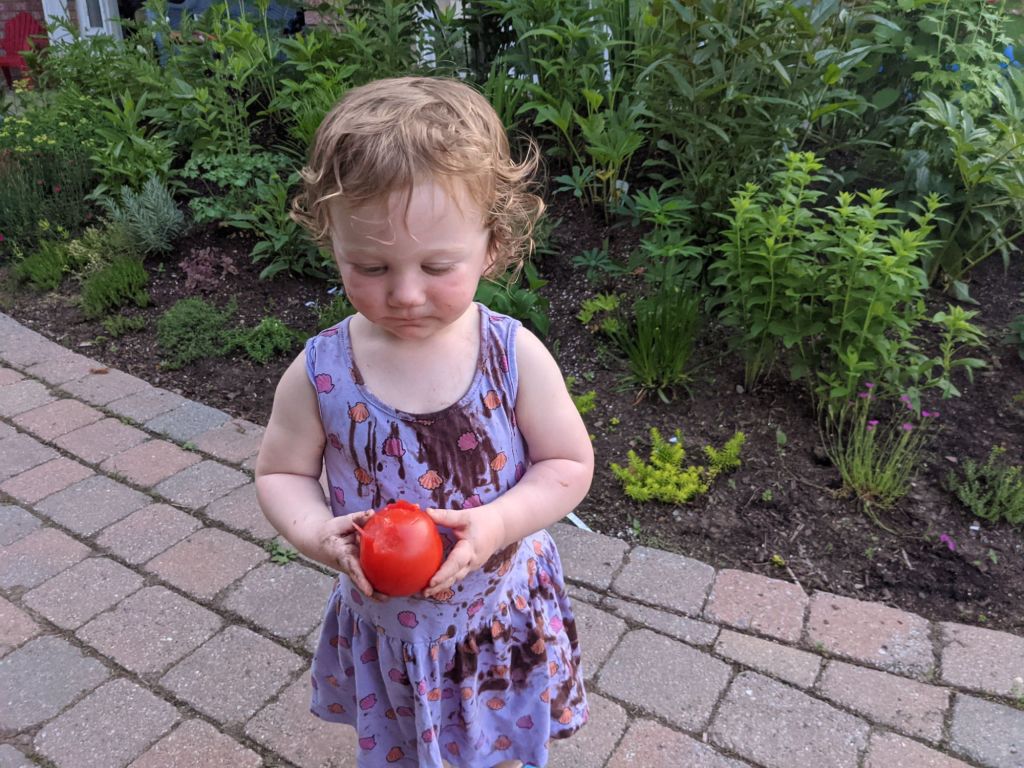
Last year I experimented with growing more tomato plants than we needed, and placing some in random parts of your yard, outside our little veggie patch, to see if we could get them to grow in different conditions, with different lights, soil, and companion plants. They did NOT disappoint, and we had more than enough to share buckets of tomatoes with neighbours.

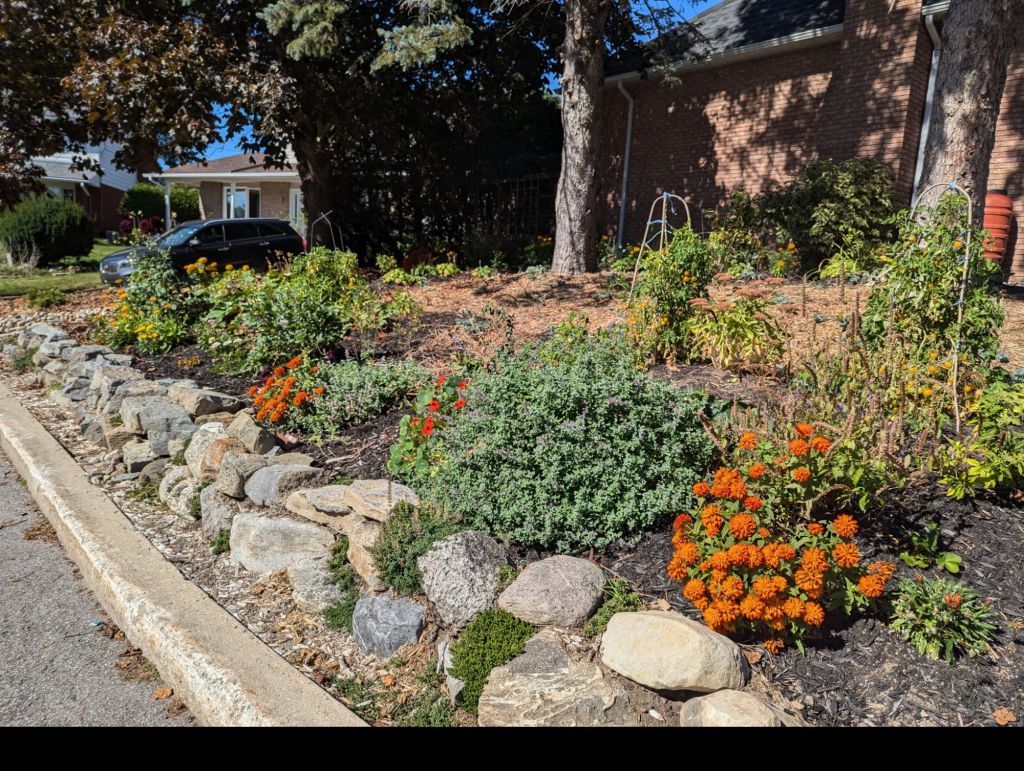
Oddly our largest yields were from completely abandoned and forgotten plants growing on a steep slope at the edge of a blue spruce, in full sun, not staked until August, not even watered once through the season, just left to the mercy of the elements.
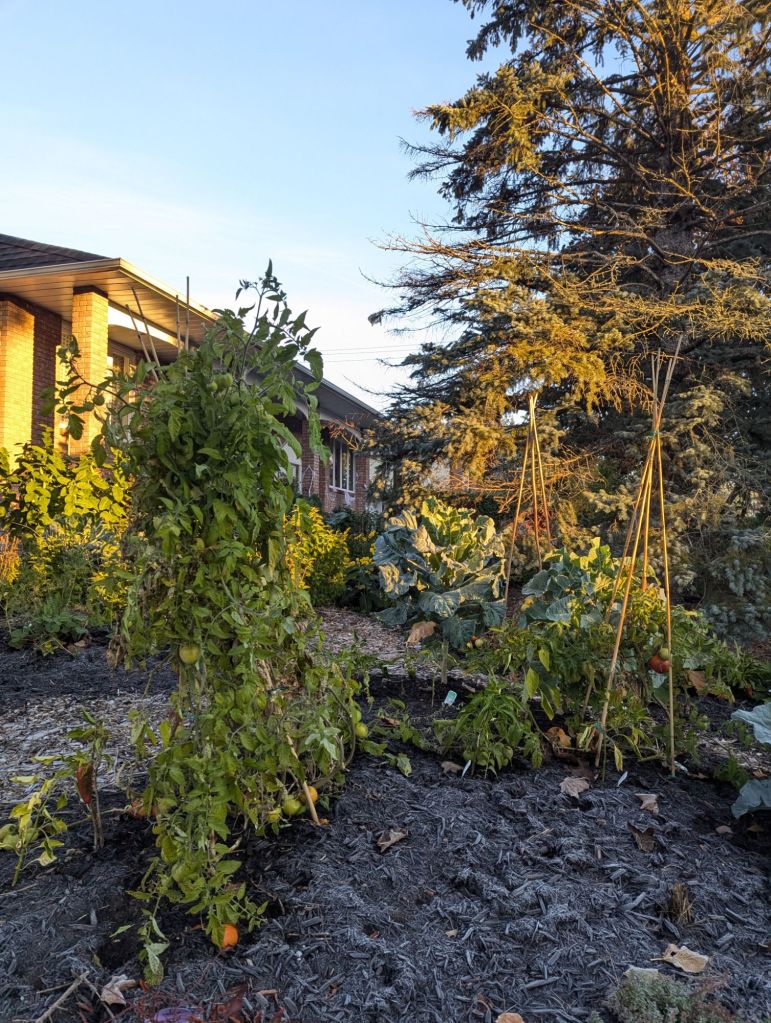
This year we’ve decided we will use a similar feral growing strategy in our new garden, which is currently an endless expanse of lawn that we want to convert to a food forest and mixed garden space.
We have always saved seeds from our favourite heirloom, open-pollinated varieties of vegetables and fruit. Of course, with 10 times more space comes a need for 10x more seeds, and I went on quite a seed shopping spree this year. You can see the list of all the amazing small seed companies and seed savers our seeds came from this year here.
As for tomatoes, specifically, this year we are growing 34 varieties!!
34 varieties of tomatoes
Below are the varieties we chose to grow this year. The list looks insane, and makes me think we are, but there is reasoning behind this seeming insanity. This is our first year with a huge expanse of land available for planting. We will grow each of these varieties as we get to know our soil and micro-climates here, and keep seeds from the ones best suited to our environment, to grow in future years.
This year is also the first year of our nursery, and we want to make all of these varieties available to our customers, and hopefully get feedback from each of you to learn which varieties also grow best in your gardens.
Our 2025 Tomatoes
Beefsteak Tomatoes
- Black Krim (Purple-Black)
- Black from Tula (Purple-Black)
- Brandywine Black (Purple-Black)
- Bunica Rose (Pink-Red)
- Costoluto Fiorentino (Red)
- Great White (Pale Yellow-White)
- Orange Accordion (Orange)
- Pineapple (Yellow-Red Bicolor)
- Vintage Wine (Pink-Yellow Striped)
- Beefsteak (Red) *
- Cherokee Purple (Purple-Pink)
Cherry Tomatoes
- Amethyst Cream Cherry (Cream-Purple)
- Black Strawberry (Red-Purple Striped)
- Bosque Blue Bumblebee (Blue-Red Striped)
- Chocolate Cherry (Dark Red-Brown)
- Gold Nugget (Golden Yellow) *
- Indigo Rose (Dark Purple-Black)
- Large Red Cherry (Red)
- Rose Quartz (Pink)
- Sweetie (Bright Red)
- Bicolor Cherry (Yellow-Red Bicolor) *
Slicer Tomatoes
- Cosmonaut Volkov (Red)
- Homestead (Red) *
- Money Maker (Red)
- Rosso Sicilian (Red)
- Sub Arctic Plenty (Red) *
Grape Tomatoes
- Brad’s Atomic Grape (Multicolor – Green, Purple, Red)
Currant Tomatoes
- Yellow Currant (Bright Yellow)
Specialty/Striped Tomatoes
- Ananas Noir (Green-Purple-Yellow Bicolor)
- Black Ball (Dark Purple-Black)
- Green Zebra (Green with Dark Green Stripes)
- Indigo Rose (Dark Purple-Black)
- Brad’s Atomic Grape (Multicolor – Green, Purple, Red)
- Bosque Blue Bumblebee (Blue-Red Striped)
- Vintage Wine (Pink-Yellow Striped)
Tomatillos & Ground Cherries
- Cossack Pineapple Ground Cherry (Golden Yellow)
- Tomatillo Deep Purple (Purple)
- Purple Tomatillo (Purple)
Growing our tomato seeds
We planted seeds of each variety on February 17th, using the seed snail method, which I LOVE for starting seedlings indoors. I am using bubble wrap for the snails because we have so much of it leftover from our move, but also because I’m hoping it will help provide extra insulation for the plants when I move them out into our greenhouse (which is an ongoing project).
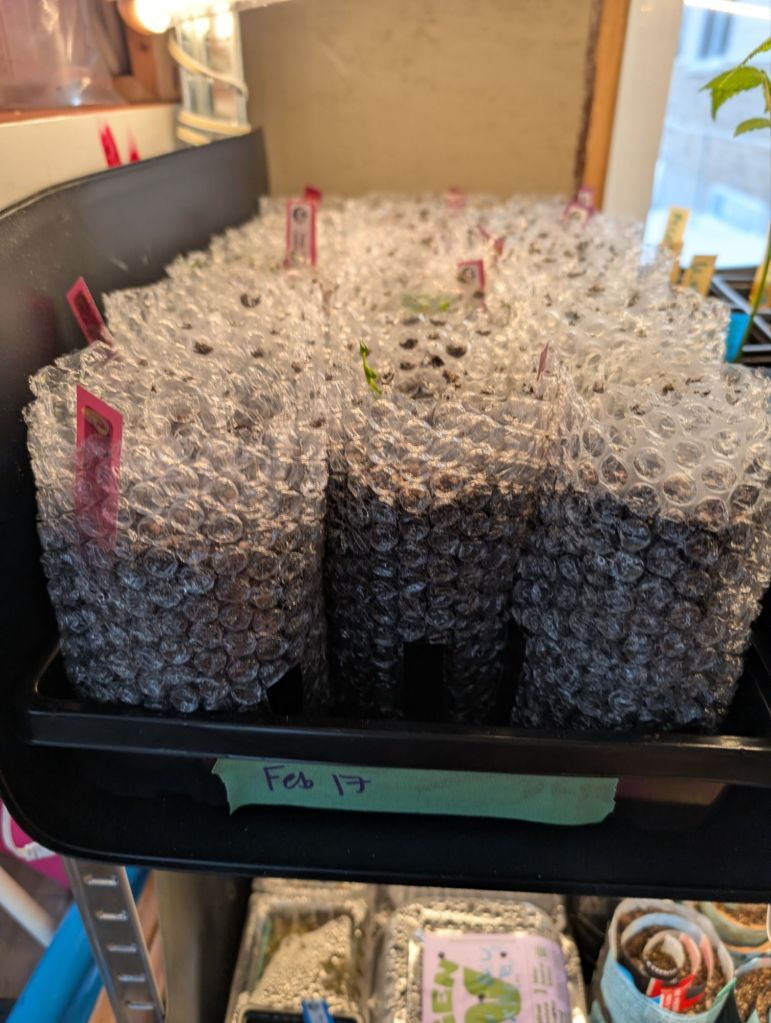
This is what 30 varieties of tomato seedlings looked like on February 27th, at 10 days.
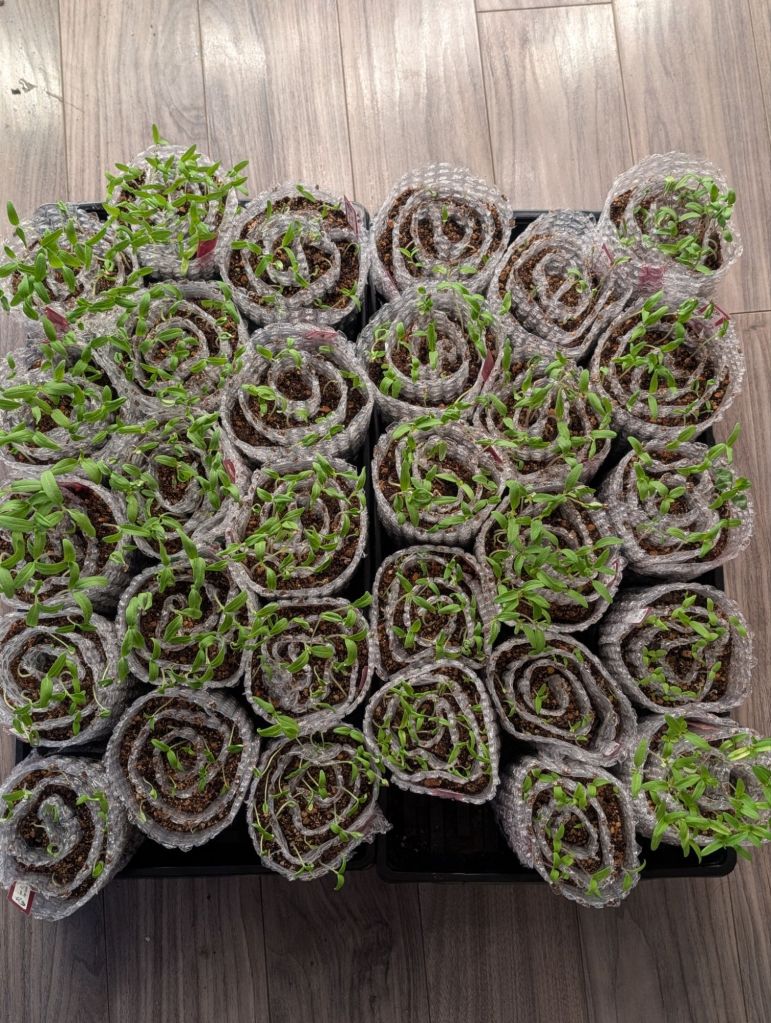
They’ve been growing steadily and happily since then, wrapped up in their little seed snail cocoons. They quickly got too tall for my light shelves.
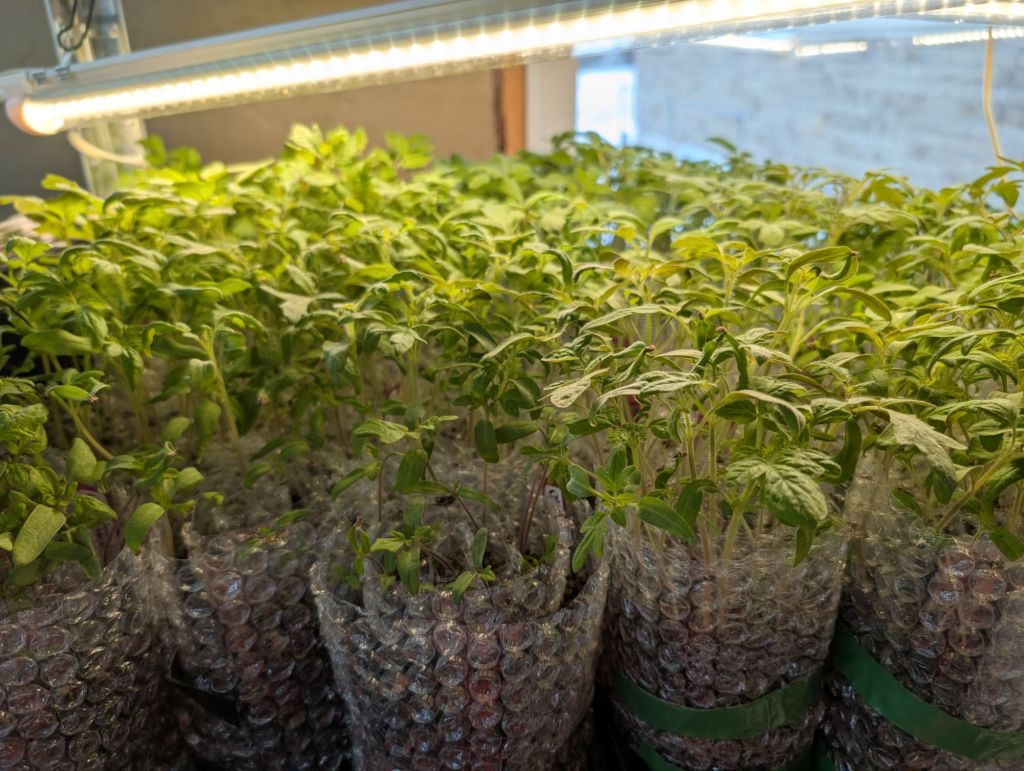
I am still a couple of weeks away from sorting out the greenhouse, but I have lots of natural light for them to absorb on some larger shelves, and that seems to be keeping them mostly happy, for now, as long as I rotate them.
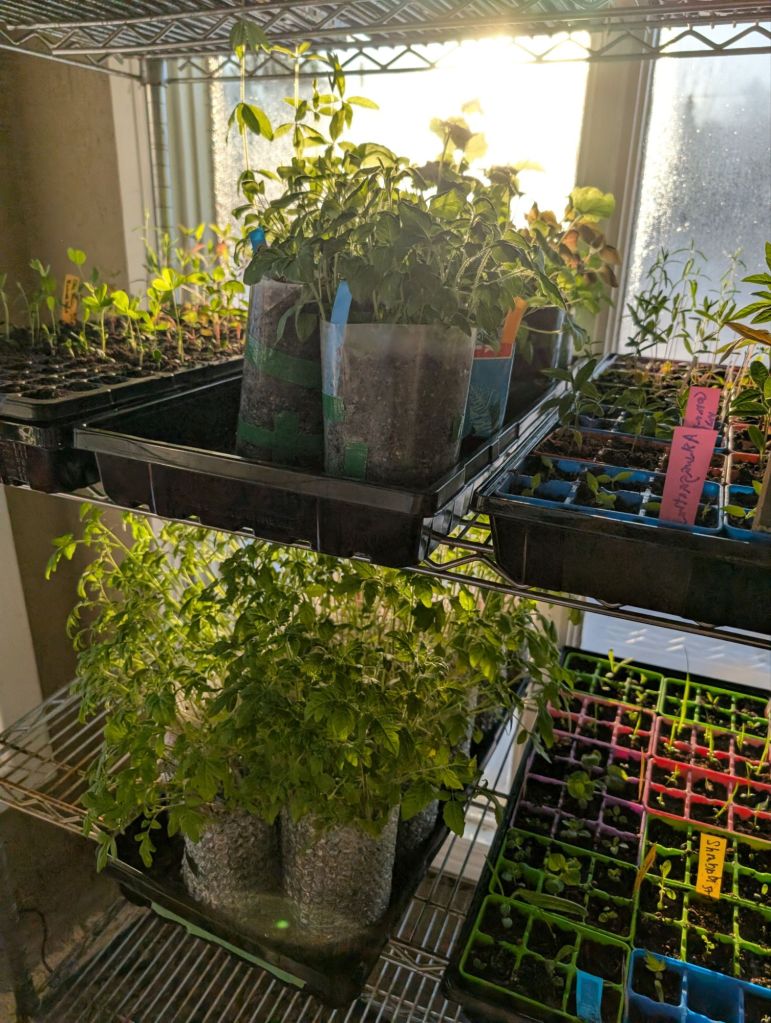
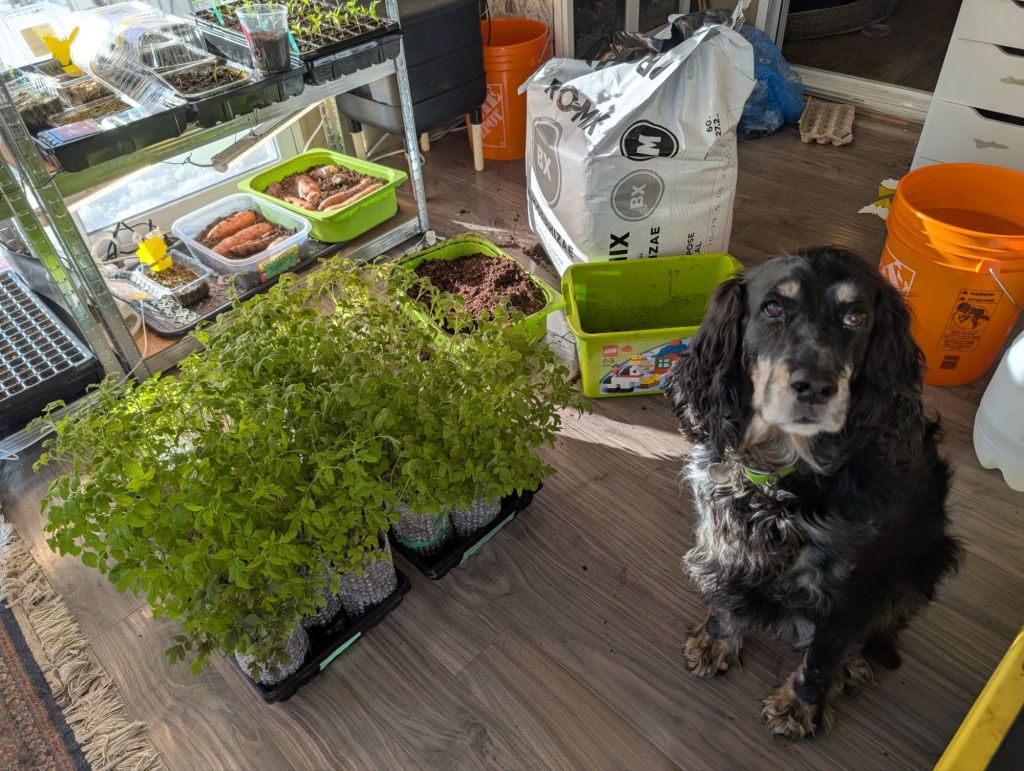
I noticed that a few of the plants were getting a bit leggy. I thought maybe it’s time I unwrap them, feed them some more compost, and bury their stems a bit deeper to let them develop strong roots. Here they are before unwrapping, guarded by Stella.
I tried taking the same picture from the same angle but they look leggy and less impressive
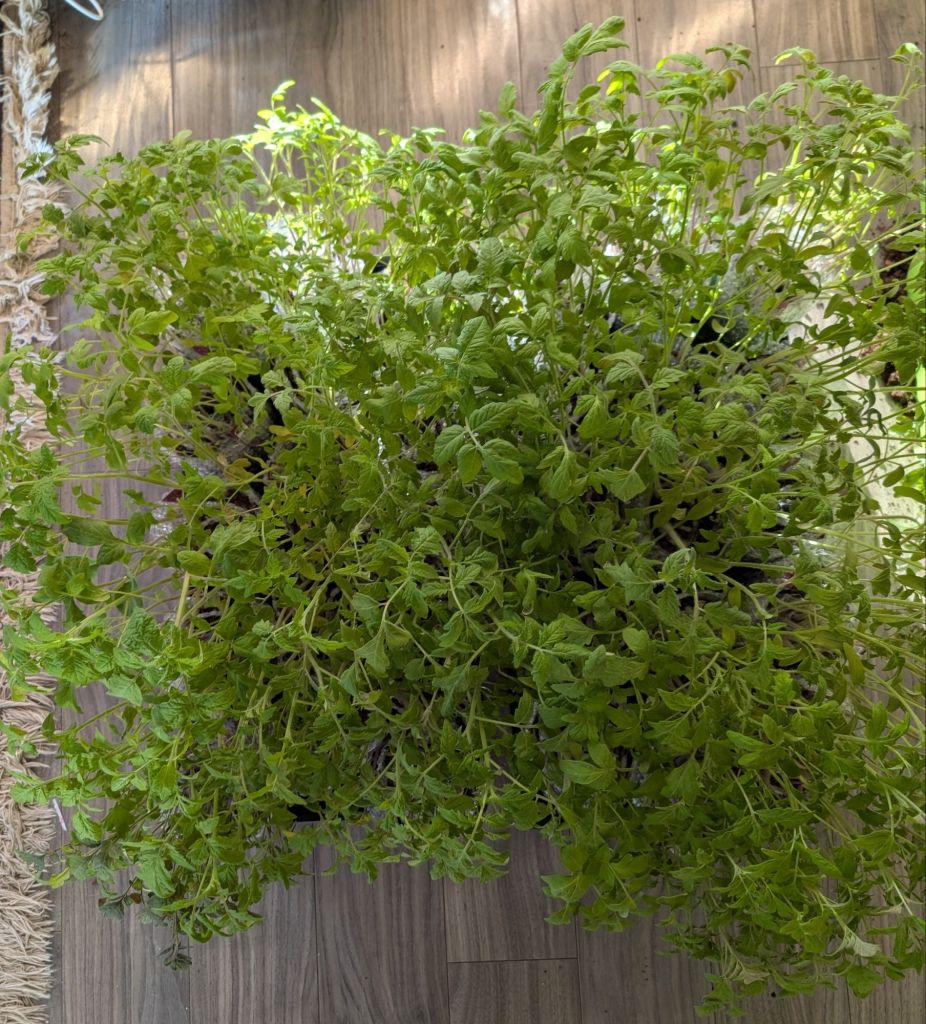
Up-potting plants growing in soil snails is kind of awesome. It’s still a pain in the ass especially with so many many to do at once, but I can let my brain float away to dreamy places and enjoy the feeling of my hands in dirt.
Our Vermicompost
This is our little worm compost.
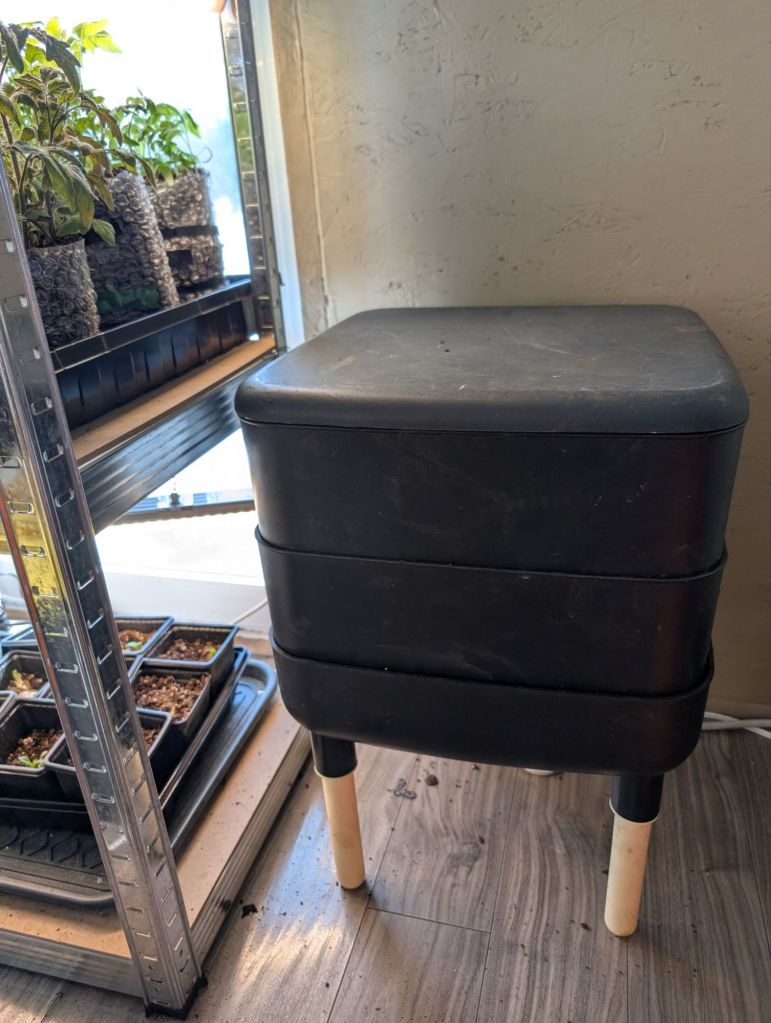
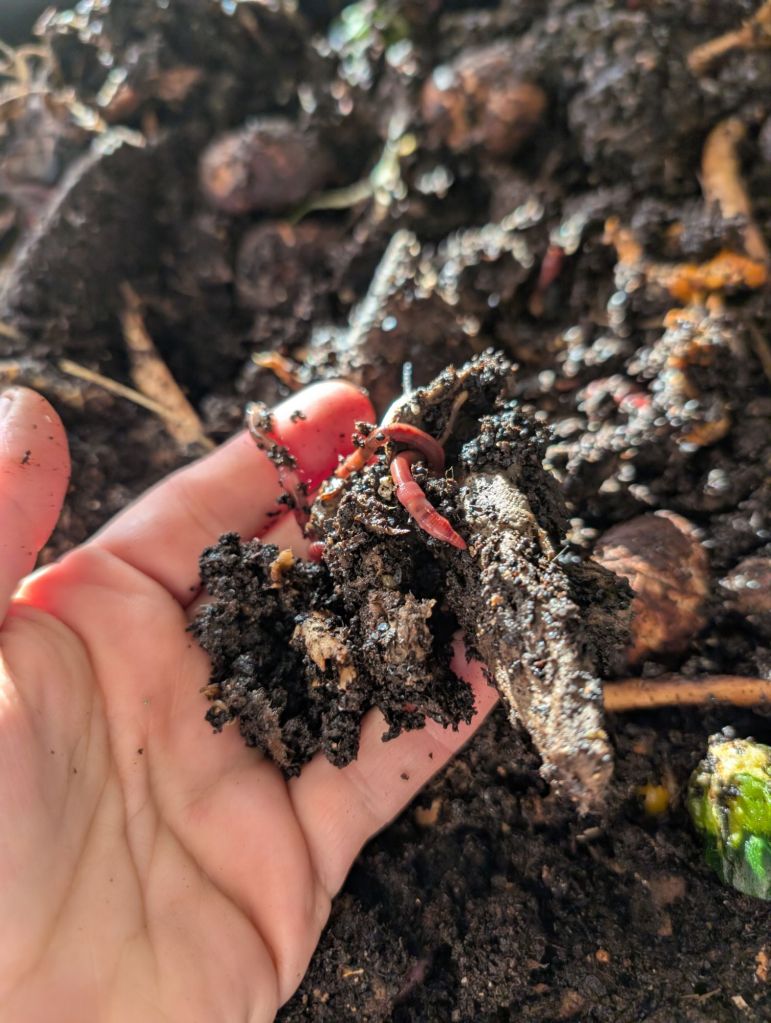
We started it this fall, with a decent size bag filled with ‘red wriggler’ worms, picked up from a lovely lady on Marketplace who gave us some starting pointers on how to feed them and keep them alive.
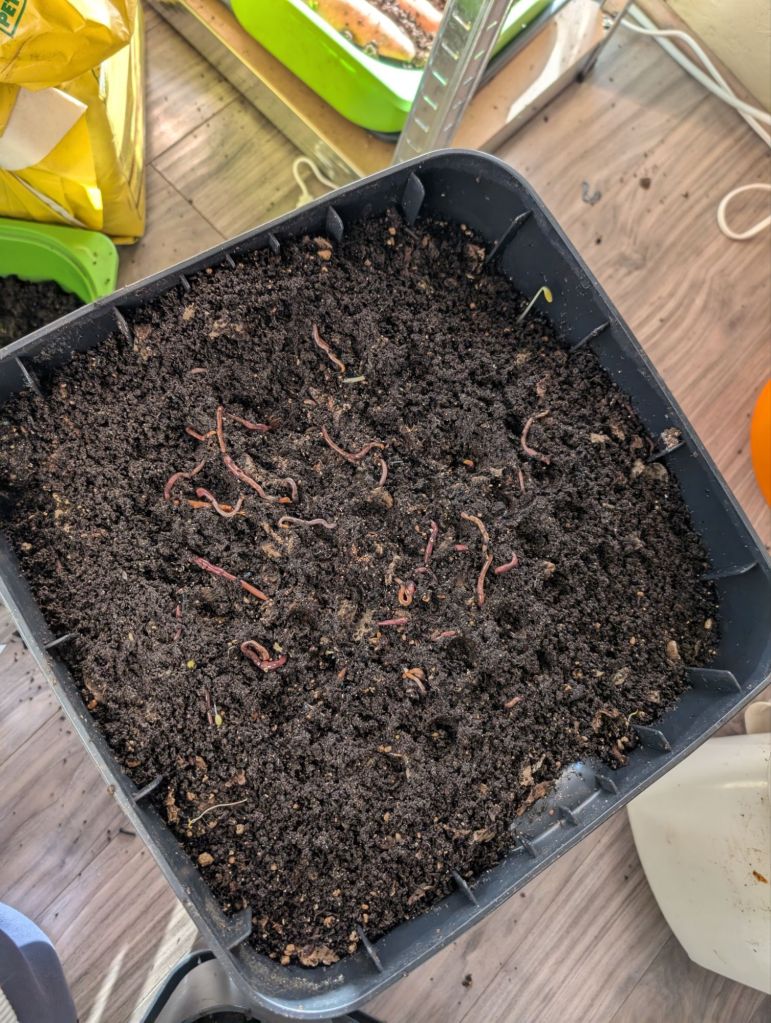
The teens refuse to acknowledge their existence and pretend they are not in our house. At first the idea sounded gross but R got really into them, and loves to pick them up and handle them and talk to them and help me feed them.
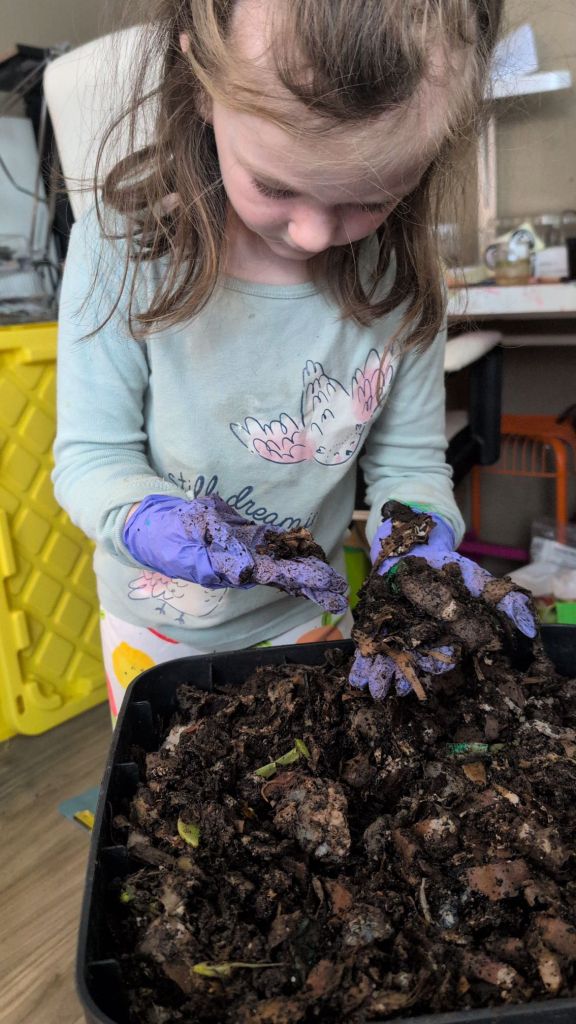
We’ve been using 2 compost bins since we got them to separate what they can eat and can’t. It took a while to find a groove, but they now eat a bin every week or so. They really don’t smell, they don’t escape and slither all over the house, they just chill in this bin, eat our food waste, and multiply.
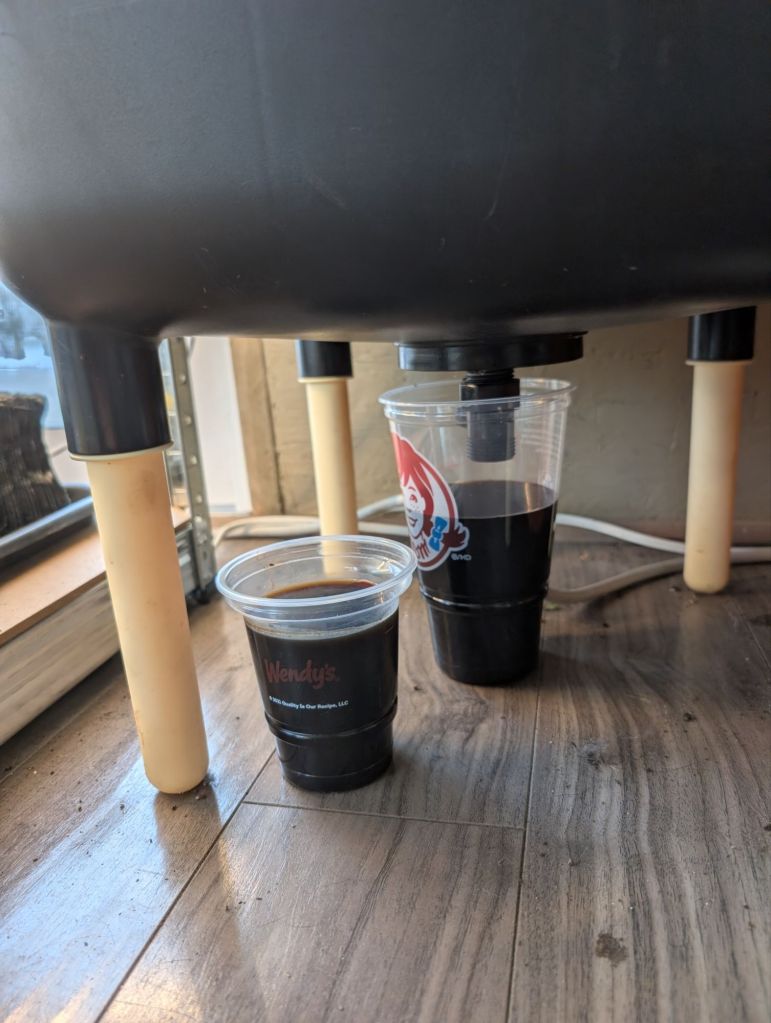
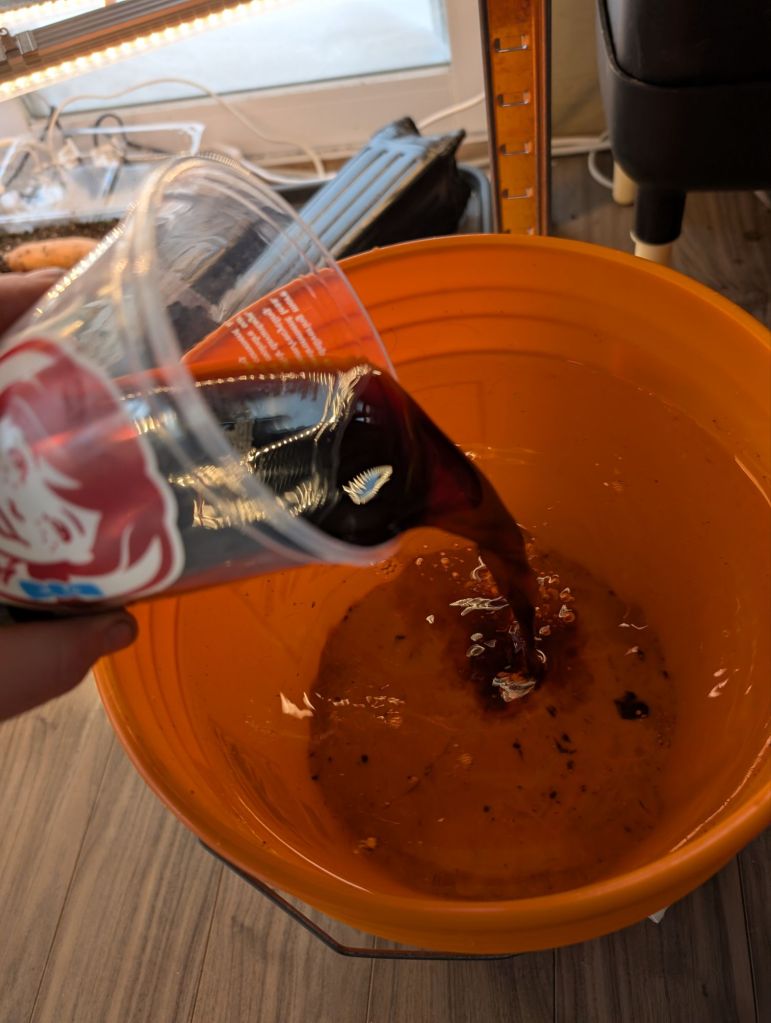
The excess moisture produced as they break down food collects in the bottom of the bin, and I release it with a tap. This is called compost tea, and we mix it into buckets when watering our seedlings.
The worms also poop, a lot. When you buy expensive bags of worm castings, this is what they are. Worm poop. Ours is free, and contains ends of vegetables and fruit, banana peels, used coffee grinds, and other organic matter we discard. This is what I take from the worms to feed the tomato plants.
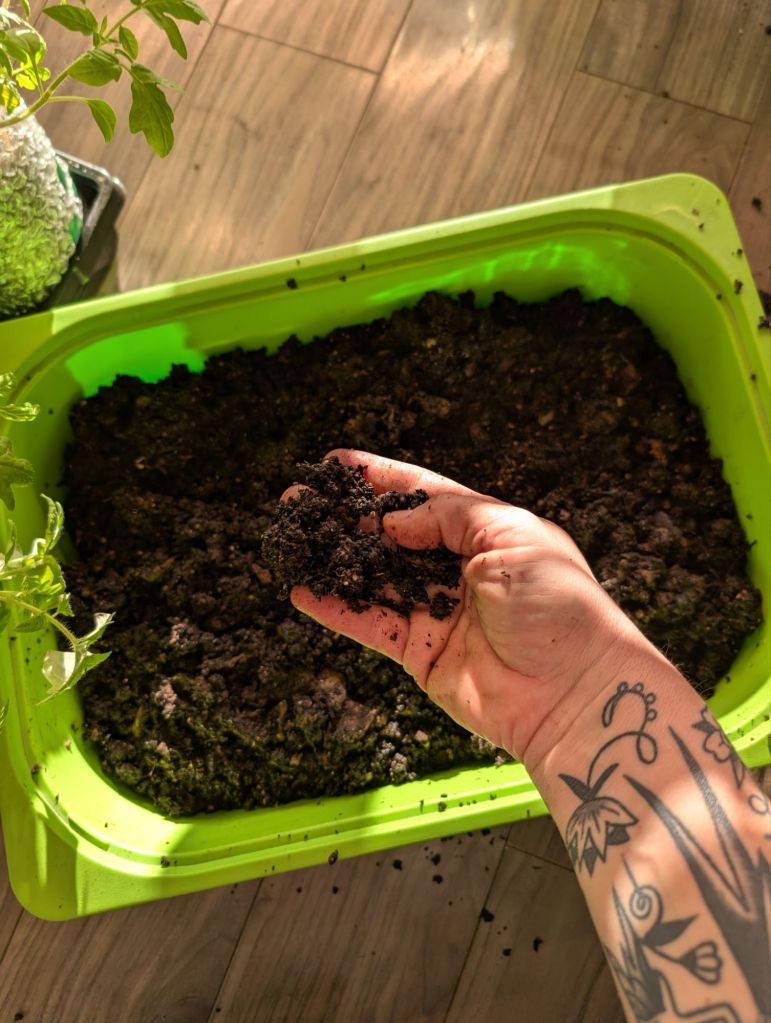
I mix it with a bit of soil to help dry it out, and also to avoid burning plant roots.
Back to tomatoes now..
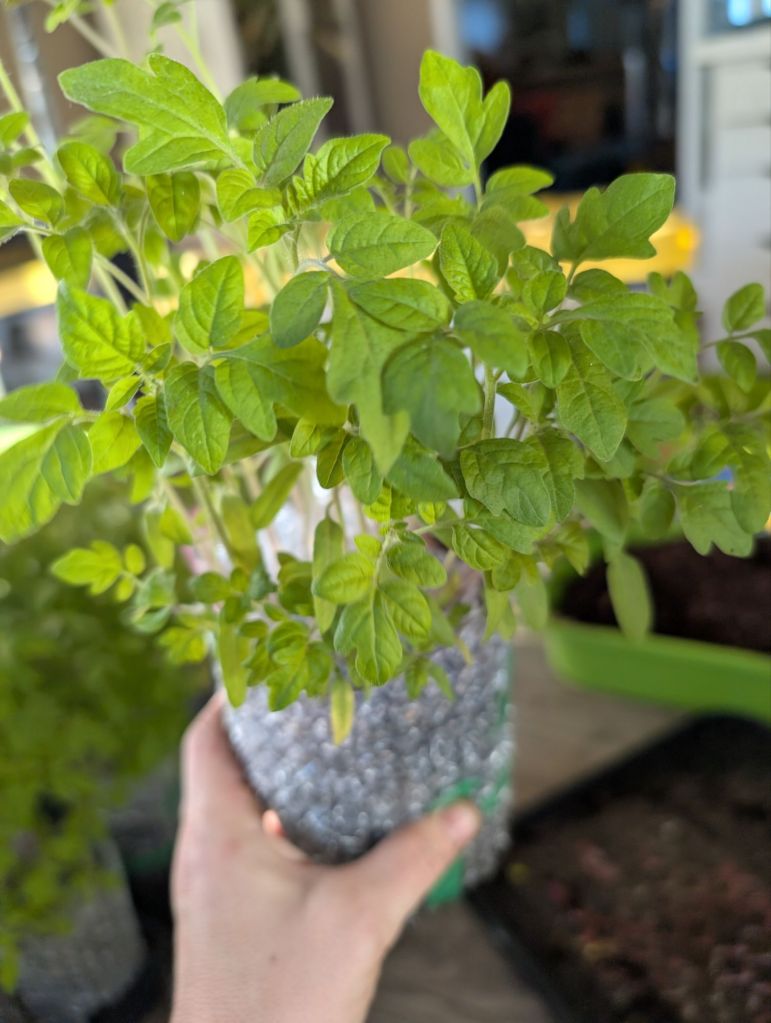
Yesterday I unrolled each soil snail, one by one, checking and feeding the roots of each plant, and burying the stems of the larger seedlings deeper.
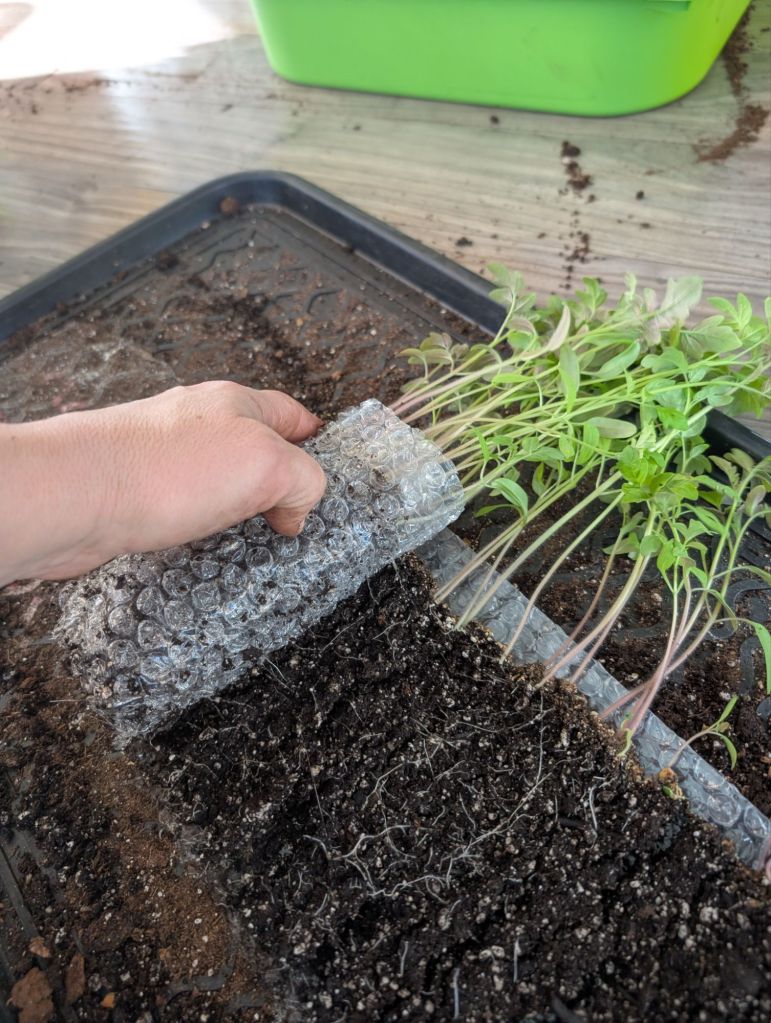
Tomatoes have an amazing ability to grow roots from their stems, when submerged. The deeper they are rooted, the more root mass they produce, strengthening the resilience of the tomato plant.
I purposely cut the snail strips for the tomato plants taller than I would for other plants, to allow me to submerge more of their roots as they grow.
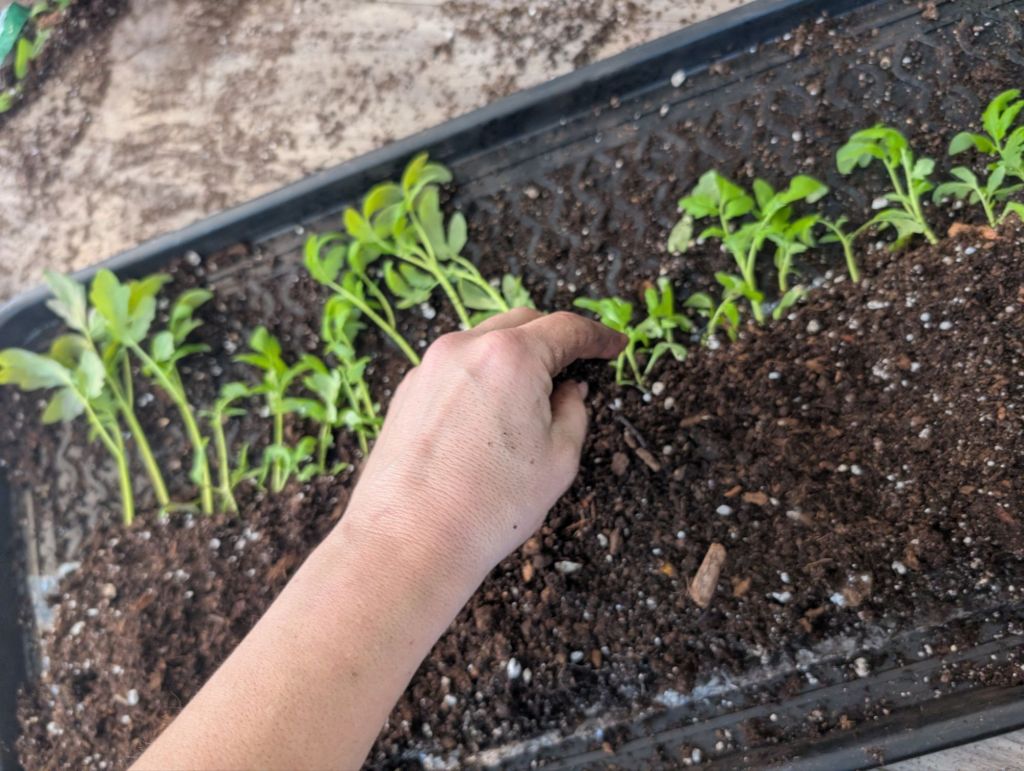
I’m experimenting with some of the taller, currently leggier varieties by burying their stem in a loose “L” shape. If these particular ones root on such an angle, their root mass should support some very large, healthy plants.
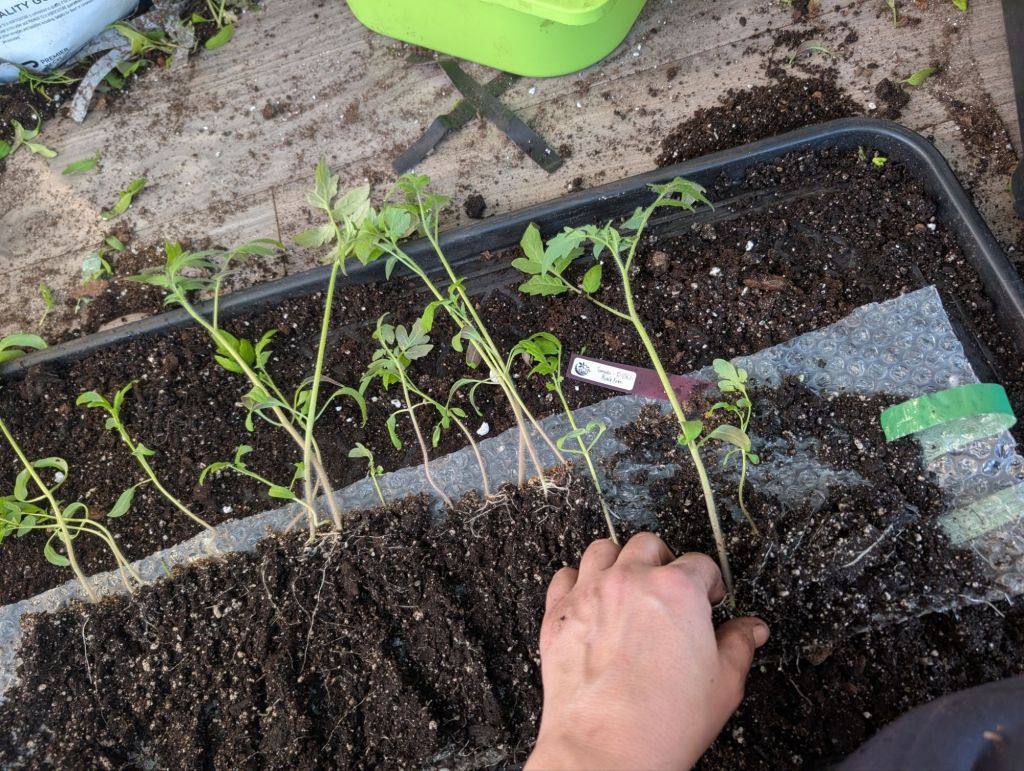
I added a fresh layer of soil mix to each snail, as well as a few handfuls of our worm compost, and rolled the snails back up.
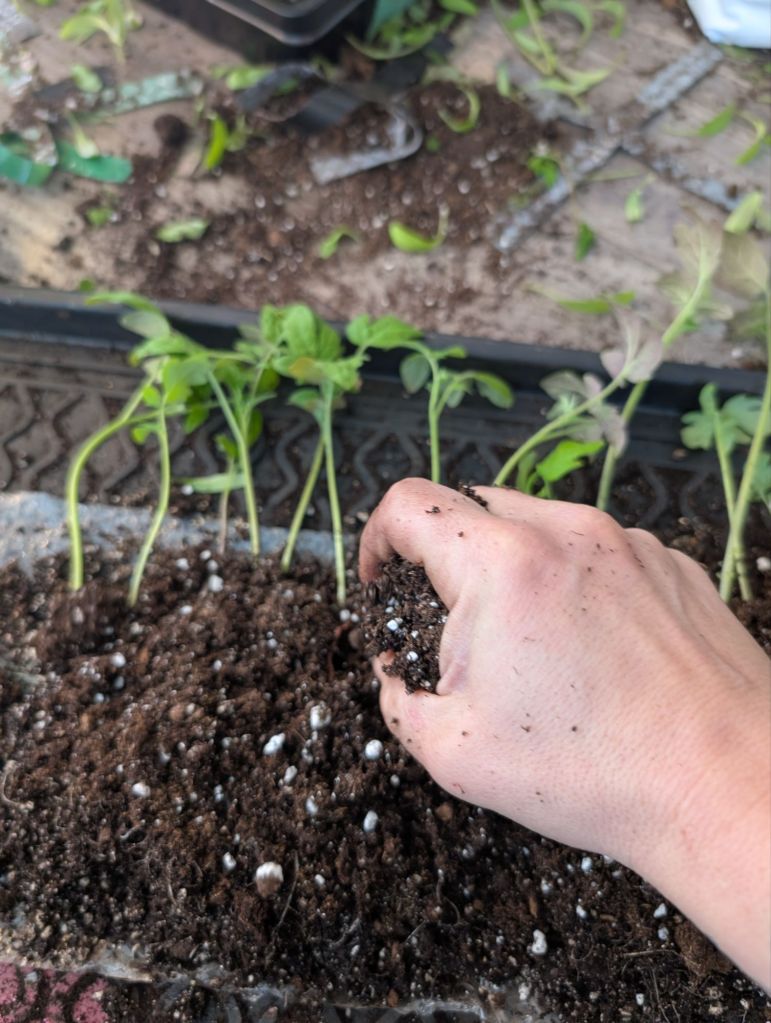
The snails are much thicker now, and all together they take up 4 trays, instead of the two I started with. This is still a huge space saving for me, even if I have to double their size one more time before I can move them to the greenhouse.
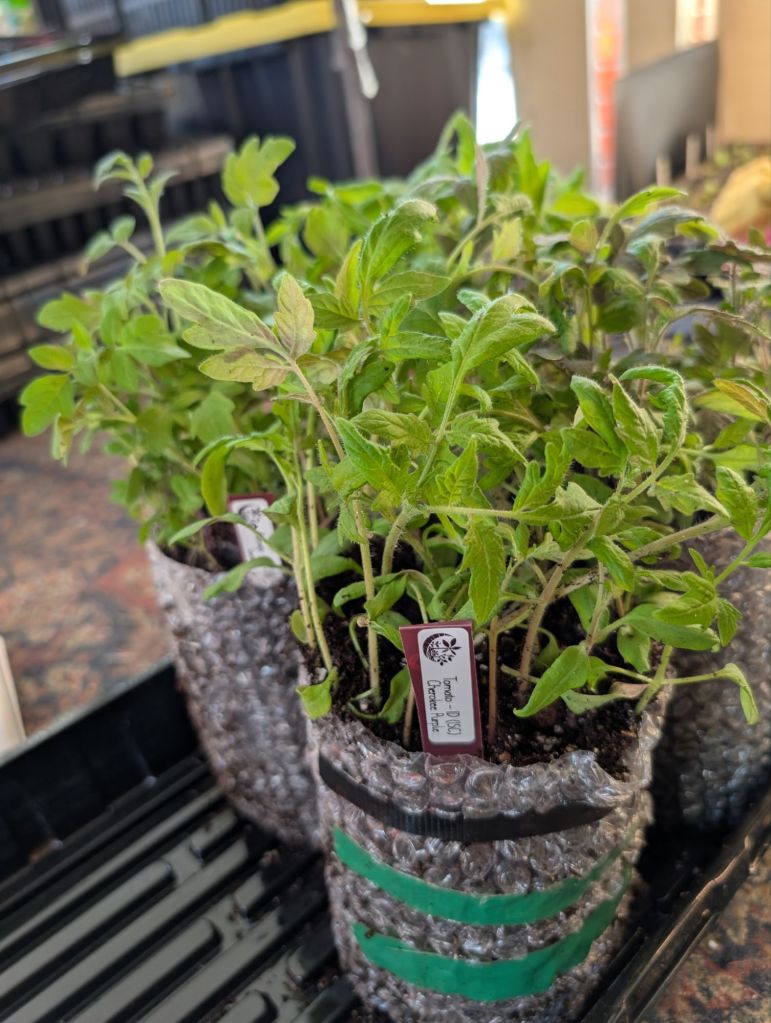
We will have many of these seedlings available for sale later this spring, and we will also keep enough of each variety to grow here in our new gardens (which don’t actually exist yet and are currently snow covered lawn… Stay tuned).
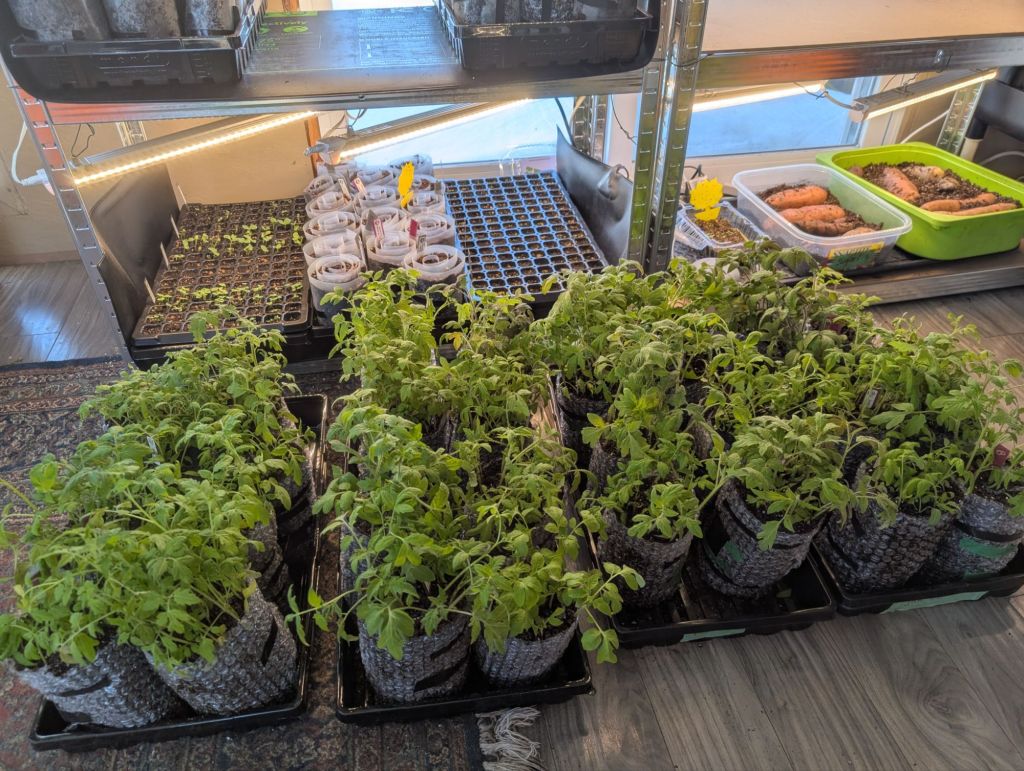
One day later the seedlings have rebounded, and now for under the grow lights again.
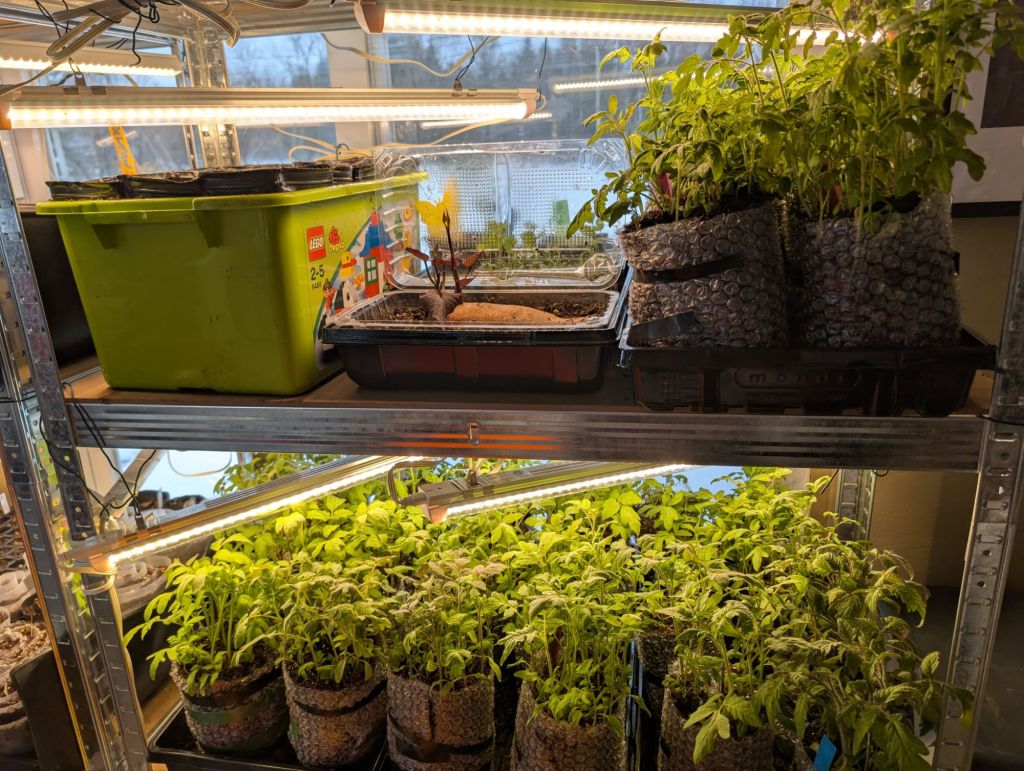
Since they seem to be doing so well, I’ve added a strong fan to them to encourage their stems to grow thicker instead of taller, while the roots slowly expand along the newly buried parts of stems.
That, in a nutshell, is how the tomatoes are growing at our place.
Shopping for locally grown and purposefully and ethically sourced vegetables or other plants this spring?
If you are interested in buying vegetable seedlings from us, we will make our excess available for sale in early spring. Check out the list of all the seeds we are growing this year.
Our stock will be limited as we are only growing small amounts of each variety, but we will have a wide range of rare and hard to find heirloom varieties, in limited supply. Follow us on Facebook or Instagram to find out when and how we will open the nursery, we haven’t quite sorted that out yet.
We’d also love to hear which of our tomato varieties excite you most, or any which you’ve had experience with, good or bad.
As always, thanks for reading to the end of my ramblings. I don’t write for an audience, I write to exercise my brain, but it’s so encouraging hearing from those of you that read and enjoy my ramblings, so please know I appreciate you.
Discover more from LocaLeaf
Subscribe to get the latest posts sent to your email.

 LocaLeaf
4 thoughts on “Tomatoes, tomAHtoes and 34 varieties of everything in between”